
 By
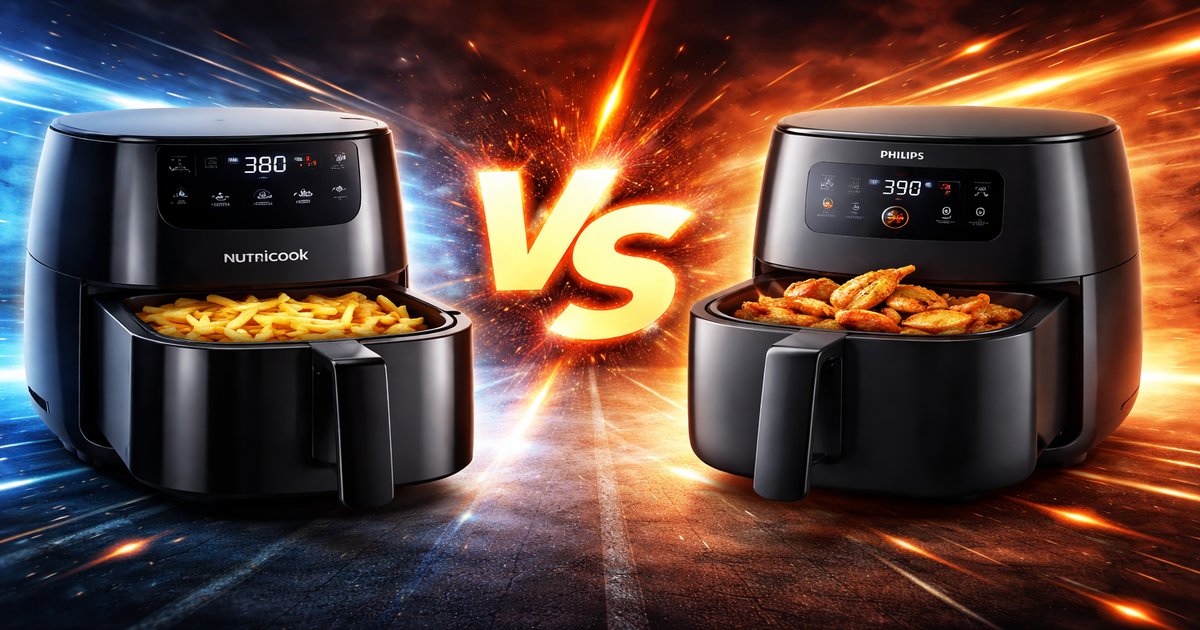
By You’re in the market for an air fryer, not just any air fryer, but one that’s going to deliver crispy, guilt-free goodness on your kitchen counter. You’ve heard about Nutricook and Philips, two giants in the air fryer world, but which one deserves that precious counter space in your home?
| Feature | Nutricook Air Fryer | Philips Air Fryer |
|---|---|---|
| Capacity | 5.5 Liters | 4.1 Liters |
| Power | 1700 Watts | 1425 Watts |
| Temperature Range | 170°F – 400°F | 180°F – 400°F |
| Preset Programs | 8 | 5 |
| Digital Display | ✓ | ✓ |
| Warranty | 1 Year | 2 Years |
| Price Range | $$ | $$$ |
✅ Nutricook Pros
- Larger capacity for family meals
- Higher power for faster cooking
- More preset programs for convenience
❌ Nutricook Cons
- Shorter warranty period
- Bulkier footprint
✅ Philips Air Fryer Pros
- Compact design fits small kitchens
- Extended warranty period
- Trusted brand reputation
❌ Philips Air Fryer Cons
- Higher price point
- Smaller capacity limits batch size
Performance and Cooking Efficiency
Both air fryers do a solid job at delivering crispy results, but Nutricook’s 1700 watts of power means it cooks faster and can handle larger batches. If you’re frequently cooking for a family or hosting gatherings, you’ll appreciate Nutricook’s speed and capacity. Philips, while slightly slower due to less wattage, still performs admirably, especially for single servings or couples. Its smaller size can actually be a boon for quick weeknight dinners without taking over your kitchen.
Build Quality and Design
Philips takes the edge here with its sleek, compact design and reliable build. It’s sturdy, and the two-year warranty provides peace of mind. Nutricook, while robust, tends to be bulkier, which might be a concern if counter space is a premium. Both offer digital displays, but Philips’ interface feels a bit more intuitive. If you’re someone who values aesthetics and simplicity, Philips might resonate more with you.
Value for Money
Nutricook provides a bang for your buck with its larger capacity and additional features at a lower price point. It’s a fantastic option if you’re looking to stretch your dollar while still getting a capable appliance. Philips, although pricier, justifies its cost with brand reliability and a longer warranty, which might appeal to you if you consider longevity as a key factor in your purchasing decision.
Nutricook’s larger size might be a deal-breaker for small kitchens, and while its preset programs are convenient, they aren’t always spot-on, so you might still need to tweak settings. Philips’ higher price might be hard to swallow if you’re budget-conscious, but its durability and compact design could save you headaches in the long run.
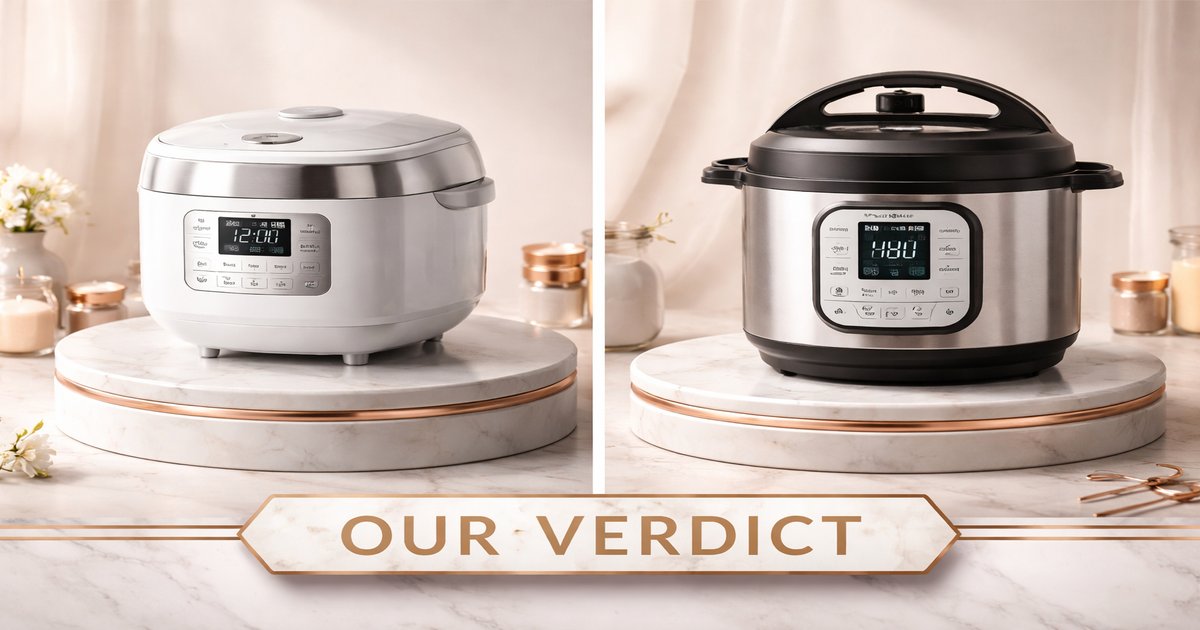
Our Final Verdict: Which One Should You Buy?
If you need to feed a family or love hosting friends, go with the Nutricook. Its larger capacity and faster cooking times are perfect for big meals. However, if you live alone or with a partner, and value a sleek design and reliability, Philips is worth the investment, offering peace of mind with its longer warranty and compact form.
Is the Nutricook air fryer too big for a small kitchen?
Yes, it can be. Its larger size means it takes up more counter space, which might be an issue if you have limited kitchen space.
How does the warranty differ between these two air fryers?
Philips offers a two-year warranty, providing better coverage compared to Nutricook’s one-year warranty.
Is the Philips Air Fryer worth the additional cost?
If brand reliability and a longer warranty are important to you, then the Philips Air Fryer justifies its higher price point.