
 By
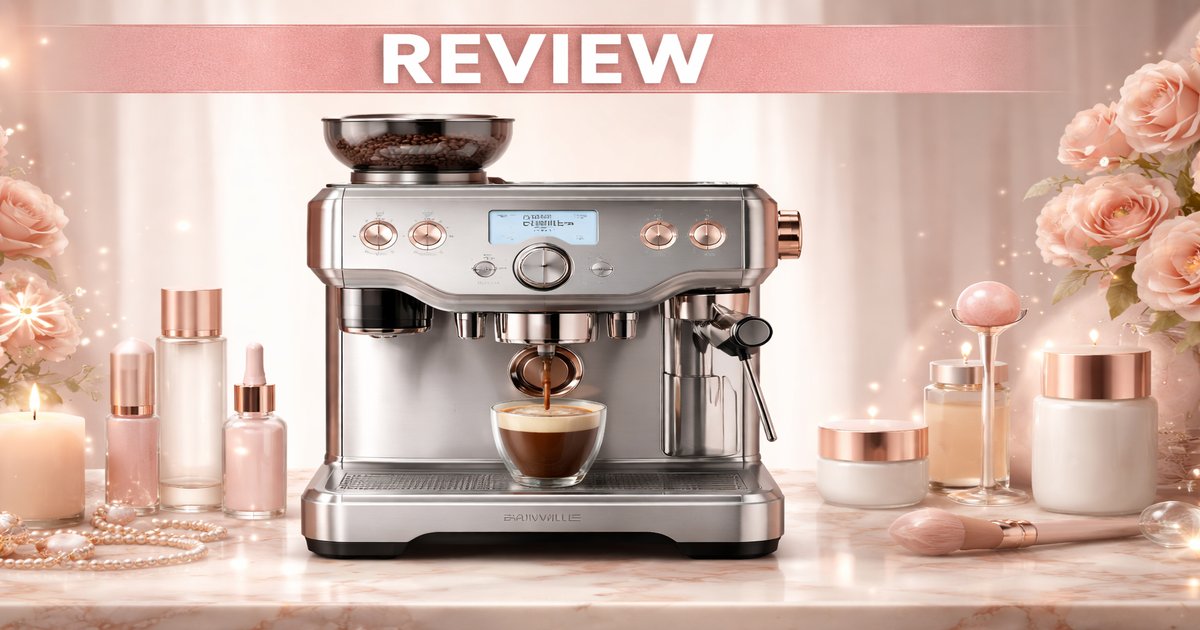
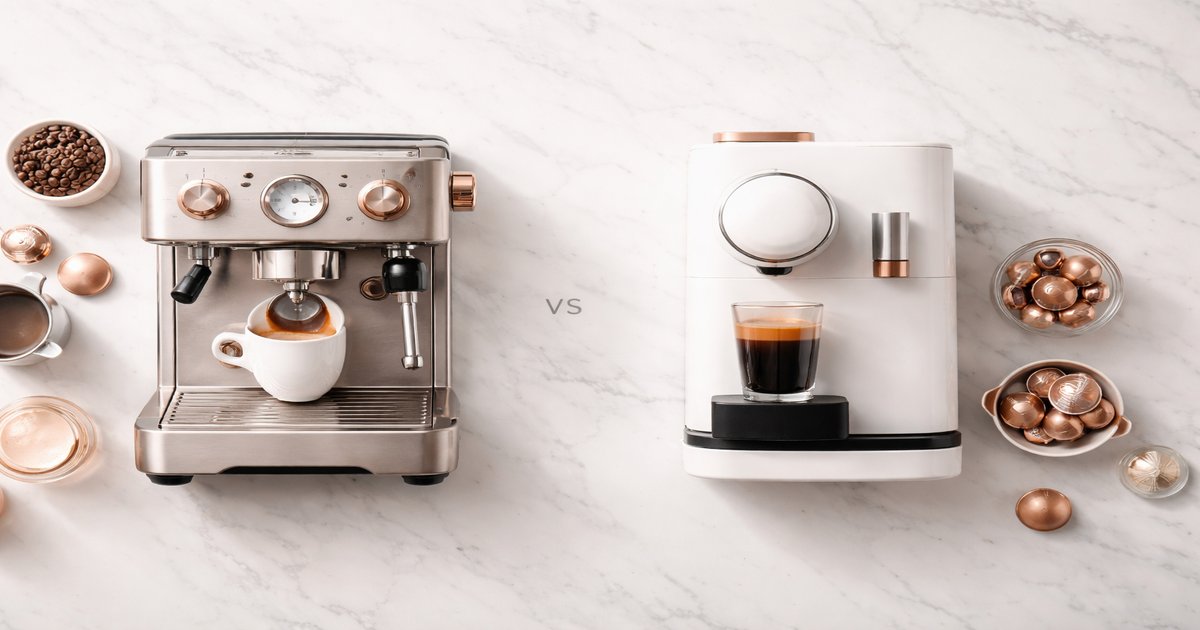
By You wake up groggy and only a cup of rich, aromatic coffee can jump-start your day. But should you embrace the art of espresso-making or rely on the quick fix of a Nespresso machine? Let’s break down the clash of these caffeine titans and see which one should occupy your kitchen counter.
| Feature | Espresso Machine | Nespresso |
|---|---|---|
| Brewing Method | Manual/Semi-Automatic | Automatic |
| Coffee Type | Ground Coffee | Pods/Capsules |
| Customization | ✓ | ✗ |
| Footprint | Large | Compact |
| Price Range | $150 – $2000 | $100 – $500 |
| Maintenance | High | Low |
✅ espresso machine Pros
- Ultimate control over brewing variables for coffee connoisseurs.
- Ability to use a variety of coffee beans for different flavors.
- Durable and can last for years with proper care.
❌ espresso machine Cons
- Requires regular maintenance and cleaning.
- Higher initial investment compared to Nespresso.
- Takes up significant counter space.
✅ nespresso Pros
- Convenience with one-touch operation.
- Compact and ideal for small spaces.
- Low maintenance and easy to clean.
❌ nespresso Cons
- Limited to capsule flavors; lacks variety.
- Ongoing cost of purchasing pods.
- Less environmentally friendly due to capsule waste.
Performance and Taste
Espresso machines are the kings of customization. You can tweak the grind size, water temperature, and pressure to pull that perfect shot. This means, if you’re a coffee geek, you can experiment until you find your holy grail of espresso. Nespresso, on the other hand, takes the guesswork out. It’s fast and consistent, but you’re at the mercy of pre-determined capsule flavors. If you prefer speed and consistency over experimenting, Nespresso is your go-to.
Build Quality and Durability
Espresso machines, especially in the higher price brackets, are built like tanks. They are meant to withstand years of daily use, which is why they are often seen in commercial settings. With Nespresso, you get a more plastic-heavy construction. While Nespresso machines are generally reliable for the home user, they don’t match the robust build of a good espresso machine. If longevity and durability are your main concerns, espresso machines take the prize.
Value for Money
The initial cost of an espresso machine can be daunting, but think of it as a long-term investment. You have the freedom to choose cheaper coffee beans and still enjoy a great cup. Nespresso offers a lower entry price, but the cost of pods adds up over time. If you drink multiple cups a day, the expense can become significant. For casual drinkers, Nespresso’s convenience might justify this cost, but daily espresso fans should consider the long-term savings with a traditional machine.
You might not realize that espresso machines demand a ritual of cleaning and maintenance. Scale build-up and residue can affect your brew. Nespresso, while easier, locks you into their ecosystem, where pod availability can become an issue if you prefer niche flavors. Keep these in mind while choosing.
Our Final Verdict: Which One Should You Buy?
If you’re a coffee aficionado who relishes the process and has space and budget to spare, go for an espresso machine. It’s perfect for those who love experimenting and crafting their own recipes. On the flip side, if you’re someone who needs a quick caffeine fix without fuss, a Nespresso is tailored for you. It’s ideal for busy folks or those living in smaller spaces who want decent coffee at the push of a button.
Can I use my own coffee with a Nespresso machine?
Not directly. Nespresso is designed to work with their pods, but you can purchase reusable pods to fill with your own coffee, though results may vary.
How long do espresso machines typically last?
With proper maintenance, a quality espresso machine can last 10-15 years. Regular descaling and cleaning are key to its longevity.
Are there environmentally friendly options for Nespresso?
Nespresso offers a recycling program for their pods. Additionally, third-party reusable pods can reduce waste, but they require extra effort.