
 By
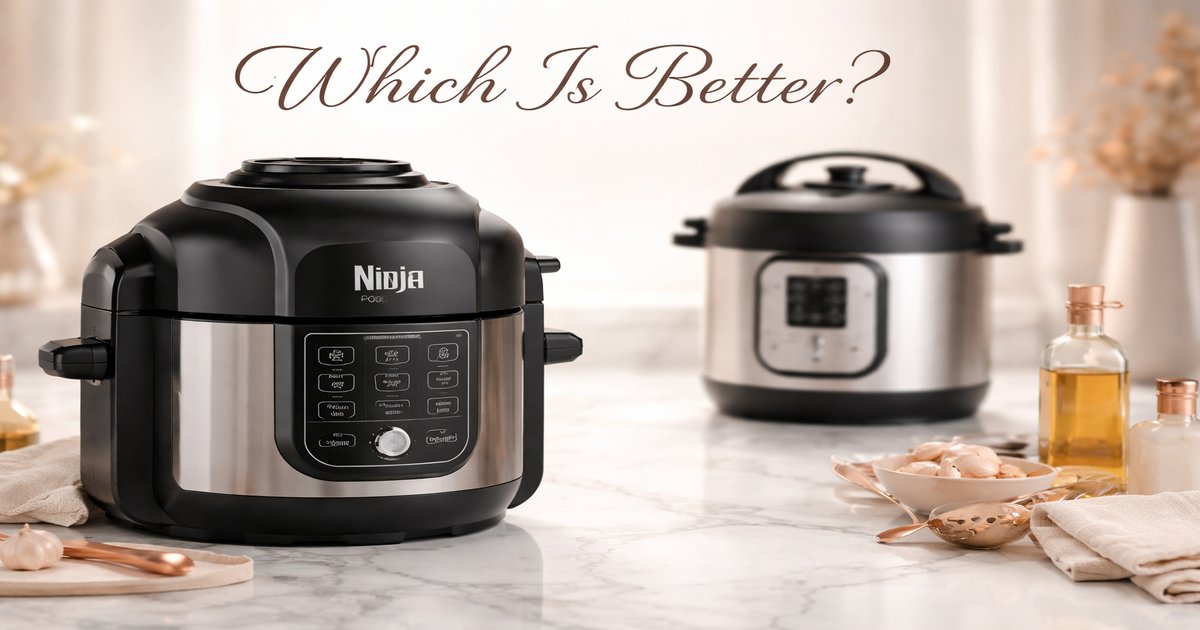
You’ve had a long day, and the last thing you want is to spend hours in the kitchen. You’re torn between the quick efficiency of a pressure cooker and the lazy, slow magic of a slow cooker. Both promise delicious, hearty meals, but which one truly fits your lifestyle?
| Feature | Pressure Cooker | Slow Cooker |
|---|---|---|
| Cooking Time | 30-60 mins | 4-10 hours |
| Energy Efficiency | High | Moderate |
| Flavor Enhancement | ✓ | ✓ |
| Hands-Free Cooking | ✗ | ✓ |
| Initial Setup | Complex | Simple |
| Cost | $70-$150 | $30-$70 |
✅ pressure cooker Pros
- Significantly reduces cooking time, perfect for quick meals.
- Energy efficient, saving electricity and money.
- Enhances flavors and preserves nutrients.
❌ pressure cooker Cons
- Steep learning curve with pressure settings and safety concerns.
- Requires active monitoring, not truly hands-free.
✅ slow cooker Pros
- Set and forget; perfect for busy or lazy days.
- Ideal for tenderizing meats and developing deep flavors.
- Simple to use with minimal setup.
❌ slow cooker Cons
- Long cooking time can be inconvenient.
- Consumes more electricity over time.
Performance
Pressure cookers win hands down when it comes to speed. They bring your meal from zero to delicious in under an hour, using high pressure to cook food quickly. This makes them perfect for last-minute dinners or when you’re rushing home from work. Slow cookers, on the other hand, are the tortoise in this race. They require pre-planning but reward patience with rich flavors and tender textures that only low and slow cooking can achieve.
Build Quality
Pressure cookers are generally built with robust materials to withstand high pressure, making them more durable but also heavier. You’ll find stainless steel or high-grade aluminum used, which ensures longevity. Slow cookers tend to be lighter, using ceramic or metal inserts. They might not feel as sturdy, but their simplicity means fewer parts that can break down over time. If you value durability and are willing to handle a bit more weight, pressure cookers are your go-to.
Value
Slow cookers are easier on your wallet, which can be a big factor if you’re only an occasional cook. They cost less upfront and don’t require pricey accessories. Pressure cookers, while more expensive, offer versatility that can justify their higher cost. They can replace several kitchen gadgets, saving space and potentially money in the long run if you’re serious about cooking.
Pressure cookers are intimidating for first-timers, with their hissing noise and potential for error. Slow cookers, while more forgiving, can leave you with mushy vegetables if you’re not careful with timing. Both devices have a learning curve, so expect a few trial runs before you nail your recipes.
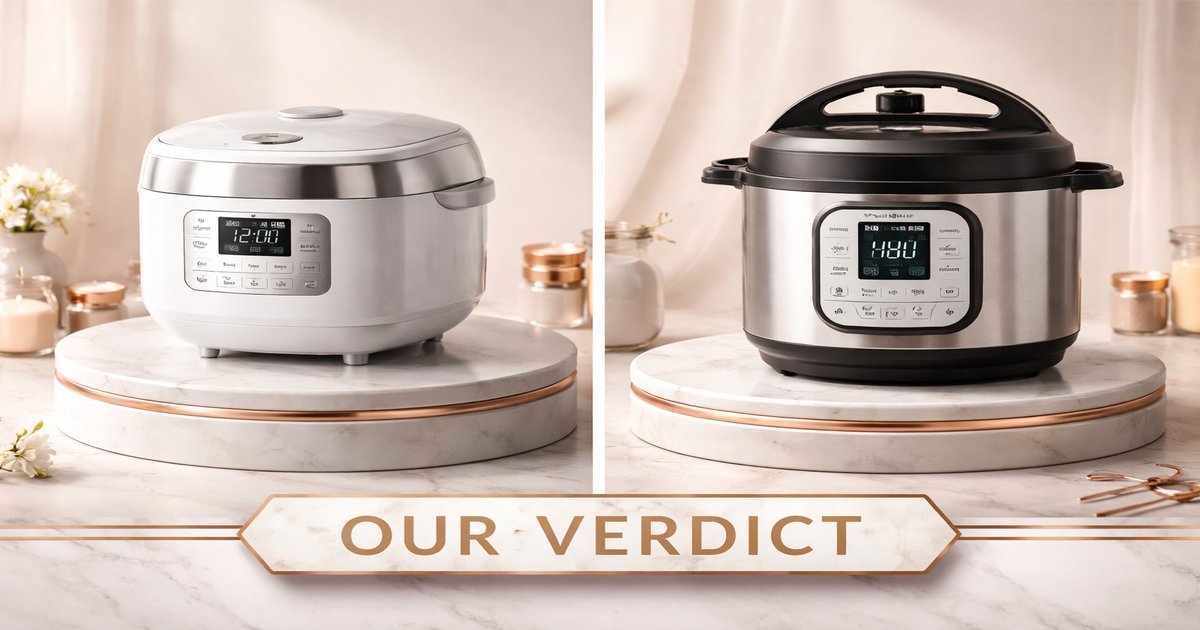
Our Final Verdict: Which One Should You Buy?
If you’re a busy professional or a parent who needs meals on the table fast, the pressure cooker is your best friend. It’s efficient and powerful, perfect for when you’re short on time but still want a home-cooked meal. On the other hand, if you love the idea of coming home to a meal that’s been simmering all day or if you enjoy weekend meal prep, the slow cooker is ideal. It’s cost-effective and low-maintenance, perfect for anyone who prefers minimal intervention.
Can I cook frozen food in a pressure cooker?
Yes, a pressure cooker can handle frozen food, though it will take longer to reach full pressure. Always ensure the food is cooked to a safe internal temperature.
Is it safe to leave a slow cooker on while I’m out?
Yes, slow cookers are designed for long cooking times and can be left on while you’re out. Just make sure to follow safety instructions and don’t overfill.
Do pressure cookers and slow cookers require special pots?
Pressure cookers often come with a specific pot, typically stainless steel. Slow cookers use a removable ceramic insert, which is generally included.