
 By
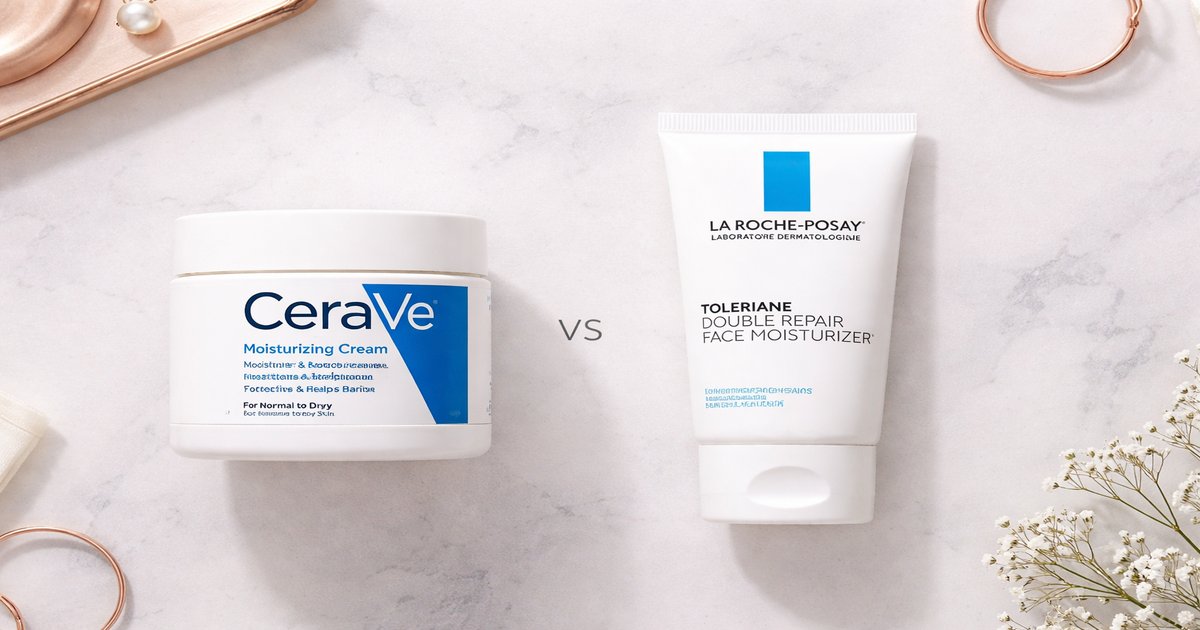
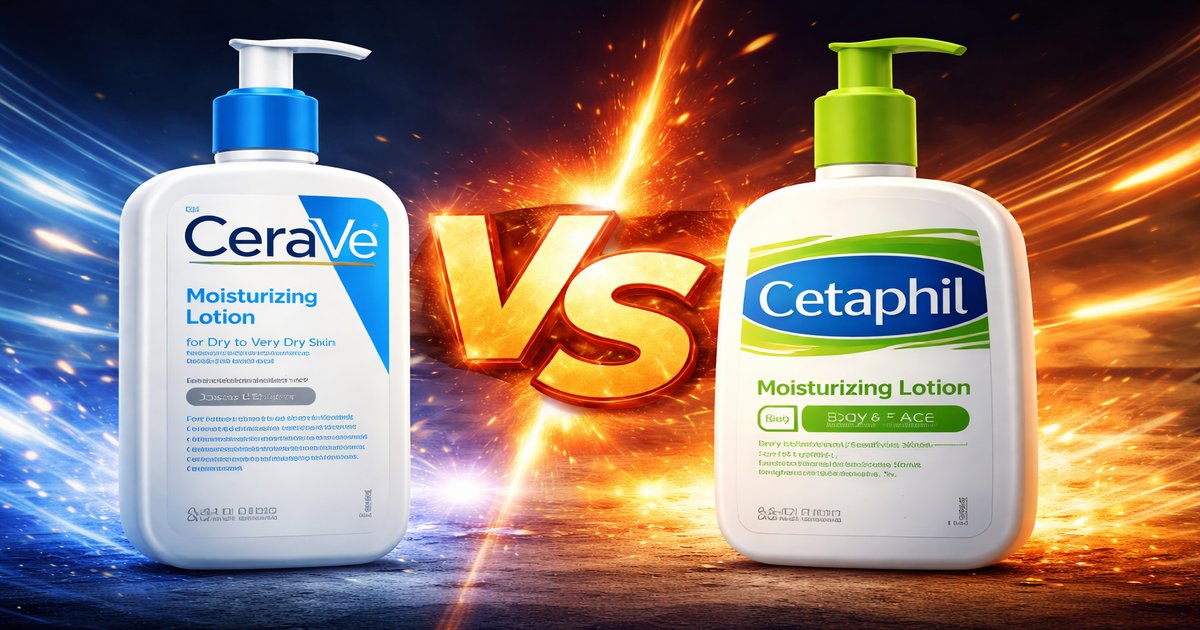
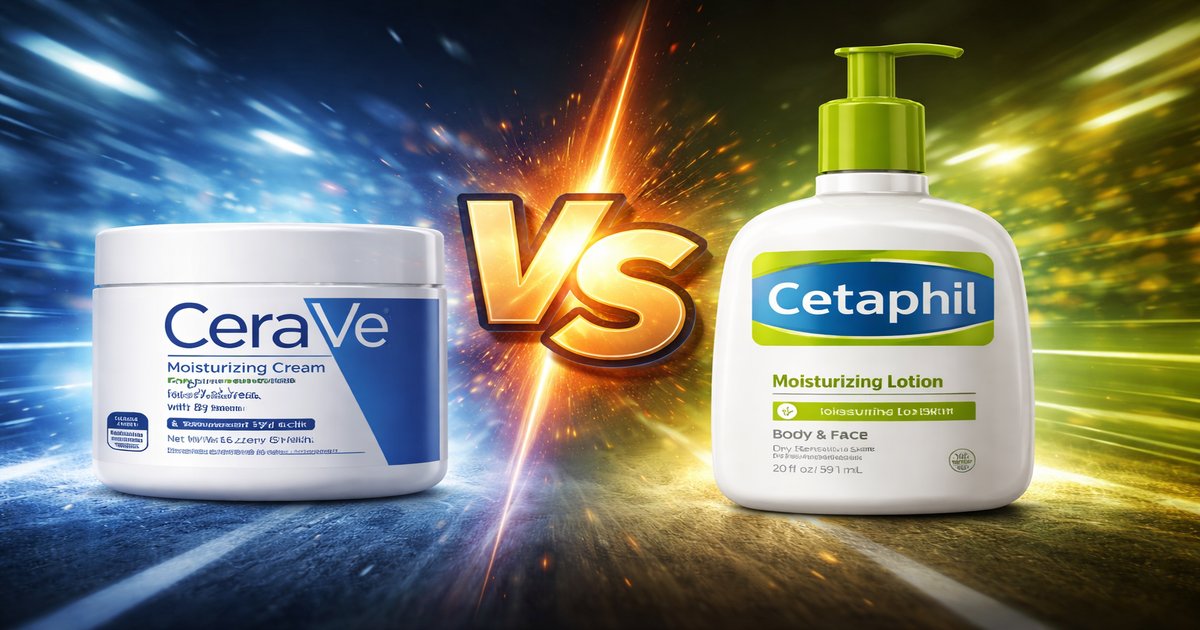
By You want a moisturizer that keeps your skin hydrated without turning your face into an oil slick. You’ve probably seen CeraVe and Cetaphil battling it out on drugstore shelves, each promising to be the holy grail for your skin. Let’s break down which of these skincare staples deserves a spot in your bathroom cabinet.
| Specification | CeraVe Moisturizer | Cetaphil Moisturizer |
|---|---|---|
| Key Ingredients | Ceramides, Hyaluronic Acid | Glycerin, Panthenol |
| Texture | Rich and creamy | Lightweight lotion |
| Fragrance-Free | ✓ | ✓ |
| Non-Comedogenic | ✓ | ✓ |
| SPF | ✗ | SPF 15 available |
| Price Range | $12 – $18 | $10 – $15 |
✅ cerave moisturizer Pros
- Contains ceramides that help restore the skin barrier.
- Rich texture great for dry skin.
- Fragrance-free, reducing the risk of irritation.
❌ cerave moisturizer Cons
- Can feel too heavy for oily skin types.
- No SPF protection.
✅ cetaphil Pros
- Lightweight formula that absorbs quickly.
- Available with SPF for daytime protection.
- Budget-friendly price point.
❌ cetaphil Cons
- May not provide enough moisture for very dry skin.
- Lacks the barrier-repairing ceramides found in CeraVe.
Performance: Hydration vs. Lightweight Feel
CeraVe is a powerhouse when it comes to deep hydration. Its rich, creamy texture makes it a go-to for those with dry or compromised skin. The inclusion of ceramides helps reinforce your skin’s natural barrier, a big win if you’re dealing with flakiness or sensitivity. On the other hand, Cetaphil offers a lighter, more breathable feel that suits those with normal to oily skin. It absorbs quickly, leaving no greasy residue, which is ideal for a morning routine, especially under makeup.
Ingredients: Barrier Repair vs. Sun Protection
CeraVe’s claim to fame is its unique blend of ceramides and hyaluronic acid. These ingredients are excellent for repairing and maintaining the skin’s natural barrier, a boon for anyone dealing with eczema or similar conditions. Cetaphil, however, scores with its option that includes SPF 15, providing a dual function for daytime use. While it lacks the barrier-repairing prowess of CeraVe, its glycerin and panthenol combo still offers decent moisturizing capabilities.
Value for Money: Budget-Friendly vs. Targeted Treatment
When it comes to price, Cetaphil often has the edge. It’s a solid choice if you’re looking for a no-frills moisturizer that does the job without breaking the bank. CeraVe, while slightly pricier, offers more targeted benefits with its specialized ingredients. For those with specific skin concerns like barrier repair, the extra cost may be justified. You get what you pay for, and CeraVe delivers on its promises for those needing intensive care.
CeraVe’s rich formula can be a bit much if your skin leans towards the oily side. You might find yourself blotting away excess shine by midday. Cetaphil, though light and fast-absorbing, may leave those with dry skin reaching for a second application to keep flakiness at bay. Neither are miracle workers for extreme skin conditions, so manage your expectations.
Our Final Verdict: Which One Should You Buy?
If your skin is dry, sensitive, or needs some serious barrier repair, CeraVe is your best bet. It’s like wrapping your face in a cozy blanket. But if you’re after a lighter, quick-absorbing moisturizer that plays nice with makeup and offers some sun protection, Cetaphil is the way to go. It’s perfect for normal to oily skin types or those on a budget.
Is CeraVe suitable for acne-prone skin?
Yes, it’s non-comedogenic and won’t clog pores, making it suitable for acne-prone skin.
Does Cetaphil moisturizer work well under makeup?
Absolutely, its lightweight formula makes it a great base for makeup application.
How long does each bottle typically last?
Both products should last about 2-3 months with daily use, depending on the amount applied each time.