
 By
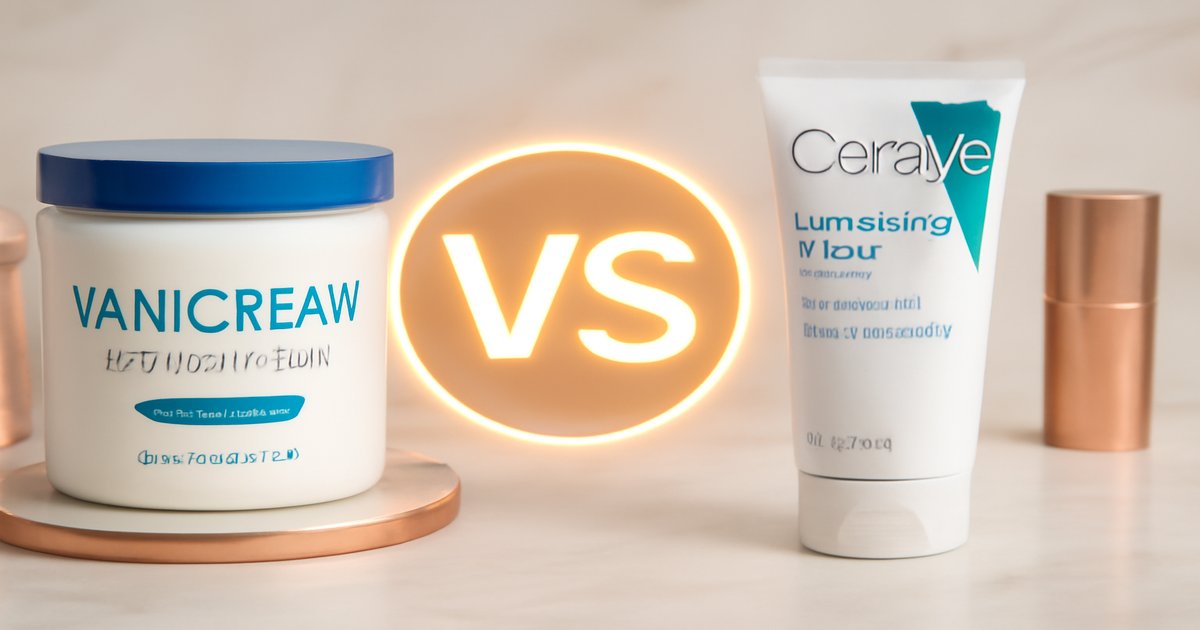
By You’ve finally decided to tackle that dry, itchy skin, but now you’re staring at a shelf lined with moisturizers. Vanicream and CeraVe are both top contenders, but which one truly delivers relief without the fuss? Let’s break it down so you can make an informed choice for your skin’s needs.
| Specification | Vanicream | CeraVe |
|---|---|---|
| Fragrance-Free | ✓ | ✓ |
| Contains Ceramides | ✗ | ✓ |
| Suitable for Sensitive Skin | ✓ | ✓ |
| Non-comedogenic | ✓ | ✓ |
| Price Range | $$ | $ |
| Available Sizes | 2 oz to 16 oz | 1.89 oz to 19 oz |
✅ vanicream Pros
- Exceptionally gentle and safe for ultra-sensitive skin.
- Free from common irritants like dyes and formaldehyde.
- Thicker consistency that provides lasting hydration.
❌ vanicream Cons
- Higher price point compared to similar products.
- May feel greasy on oily skin types.
- Lacks ceramides, which are beneficial for skin repair.
✅ cerave Pros
- Contains essential ceramides and hyaluronic acid.
- Affordable and widely available in various sizes.
- Lightweight, non-greasy formula suitable for everyday use.
❌ cerave Cons
- Some users report a slight residue after application.
- Not as moisturizing for extremely dry skin.
- Contains parabens, which may concern some users.
Performance and Ingredients
Vanicream is all about stripping down to the essentials. Its formula is free from fragrances, dyes, and other potential irritants, making it a top choice for those with ultra-sensitive skin or conditions like eczema. However, this comes at the cost of missing out on beneficial ingredients like ceramides, which CeraVe includes. CeraVe’s formula is enriched with ceramides and hyaluronic acid, which help reinforce the skin’s barrier and retain moisture. If you’re looking for a product that not only hydrates but also strengthens your skin, CeraVe takes the trophy.
Build Quality and Texture
Vanicream’s thicker texture provides a barrier against moisture loss, making it great for nighttime use or during harsh weather. However, this thickness can feel greasy and heavy, especially if you have oily or combination skin. CeraVe, on the other hand, offers a lighter, more spreadable consistency that absorbs quickly, making it ideal for daytime use or layering under makeup. If a non-greasy feel is a non-negotiable for you, CeraVe is the way to go.
Value for Money
If you’re budget-conscious, CeraVe provides better bang for your buck. Its price point is lower, and it often comes in larger, more economical sizes. Despite its affordability, it doesn’t skimp on quality ingredients. Vanicream, while pricier, is a solid investment if you have specific skin concerns that require a gentler approach. The cost may be higher, but for those who need to avoid all potential irritants, the peace of mind is worth it.
Vanicream is a godsend for extreme skin sensitivities, but its thick formula can be a deal-breaker for people who hate feeling greasy. CeraVe, while affordable and effective, includes parabens, which might not sit well with clean beauty enthusiasts. Both are solid choices, but be sure to weigh these nuances against your personal skincare goals.
Our Final Verdict: Which One Should You Buy?
If you have highly sensitive skin and are prone to allergic reactions, Vanicream is your go-to despite its higher price. It’s a straightforward, no-frills option designed to protect and hydrate without irritation. For those looking for an economical, everyday moisturizer that not only hydrates but also fortifies the skin barrier, CeraVe is a fantastic choice. It’s particularly suitable if you’re seeking a lightweight lotion to integrate into a multi-step skincare routine.
Is Vanicream good for oily skin?
Vanicream can be too heavy for oily skin, as its thick consistency may leave a greasy residue. It’s better suited for dry to normal skin types.
Does CeraVe contain parabens?
Yes, CeraVe does contain parabens, which are used as preservatives. If parabens are a concern, you might want to consider alternative formulations.
Can I use these moisturizers on my face?
Both Vanicream and CeraVe are non-comedogenic, making them safe for facial use. However, Vanicream’s thicker texture may be more suitable for nighttime use.