
 By
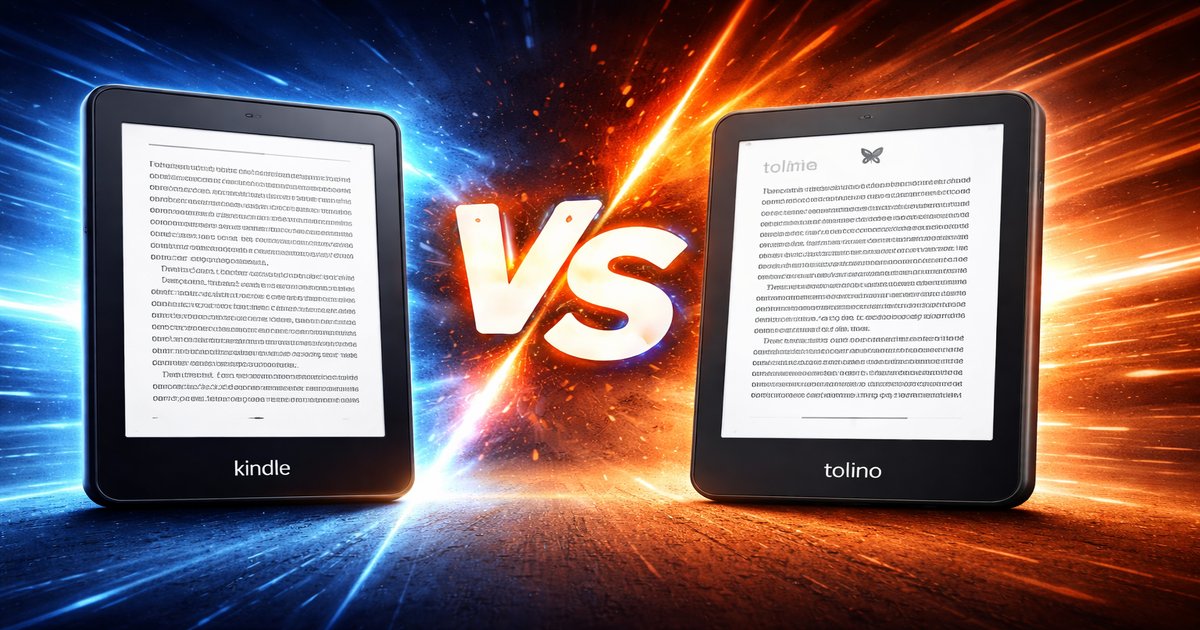
By You’re at the beach, the sun’s shining, and you’re itching to dive into a good book. Do you reach for a Kindle or a Tolino? Both e-readers promise a library at your fingertips, but they differ in ways that might just matter to you more than you’d think.
| Feature | Kindle | Tolino |
|---|---|---|
| Screen Resolution | 300 ppi | 300 ppi |
| Storage Options | 8GB, 32GB | 8GB |
| Waterproof | ✓ | ✓ |
| Battery Life | Weeks | Weeks |
| Library Access | Amazon | Varied (Tolino Alliance) |
| Warm Light | ✓ | ✓ |
✅ kindle Pros
- Vast Amazon library access with frequent discounts.
- Extensive storage options, up to 32GB.
- Seamless integration with Amazon services and ecosystem.
❌ kindle Cons
- Heavily tied to Amazon’s closed ecosystem.
- Limited compatibility with non-Amazon eBook formats.
✅ tolino Pros
- Open ecosystem supports multiple book formats.
- Access to various European eBook stores.
- Integration with local public libraries is a breeze.
❌ tolino Cons
- Limited storage options compared to Kindle.
- Less intuitive interface for non-tech-savvy users.
Performance and Usability
Kindle’s performance is buttery smooth, with a clean interface and responsive touch controls. It’s built for speed and efficiency, especially when navigating the vast Amazon bookstore. If you’re an Amazon Prime member, the Kindle syncs seamlessly with your account, offering perks like Kindle Unlimited. The Tolino, while competent, can feel a bit clunky in comparison. Its open ecosystem is a double-edged sword; you have more freedom with file types, but sometimes the trade-off is a less streamlined experience. If you’re tech-savvy and crave flexibility, Tolino offers that in spades.
Build Quality and Design
Both Kindle and Tolino sport robust designs, but Kindle edges out with its refined build quality. The Kindle’s sleek design and intuitive button placements make it a pleasure to hold for long reading sessions. Meanwhile, the Tolino, while durable, lacks the same premium feel. It’s functional but doesn’t have the same polish. However, Tolino’s design does cater well to European aesthetics, if that’s your thing. If you’re all about the tactile experience, Kindle’s finish will likely win you over.
Value for Money
For value-conscious buyers, the Kindle offers more bang for your buck, especially with its frequent sales and discounts via Amazon. If you’re already embedded in Amazon’s ecosystem, the Kindle is a no-brainer. The Tolino, on the other hand, appeals to those who value format freedom and are willing to pay a premium for it. It might not be the cheapest option, but for those who cherish flexibility and independence from giant corporations, it’s worth the investment.
Tolino’s open ecosystem is both its strength and weakness. While it supports multiple formats, the experience can be inconsistent. Kindle’s integration with Amazon is smooth, but you’re locked into their ecosystem. If you’re someone who likes to own their books outright, Kindle’s DRM can be a turn-off. These are the nuances most buyers don’t spot until they’re knee-deep in eBooks.
Our Final Verdict: Which One Should You Buy?
If you’re entrenched in the Amazon ecosystem, love convenience, and want a device that’s ready to go with minimal fuss, the Kindle is your best bet. It’s perfect for the avid reader who values a seamless experience. However, if you prioritize flexibility, wish to support local bookstores, and don’t mind a bit of tech-savvy elbow grease, the Tolino offers a refreshing alternative. It’s ideal for someone who values independence and format diversity.
Is the Tolino compatible with Kindle eBooks?
No, Tolino does not support Kindle eBooks directly due to format differences and DRM restrictions.
How long does the battery last on these devices?
Both Kindle and Tolino boast battery lives that last for weeks, depending on usage and settings like Wi-Fi and brightness.
Can I read library books on a Kindle?
Yes, but it requires a workaround through apps like OverDrive. Tolino offers more direct support for library borrowing.