
 By
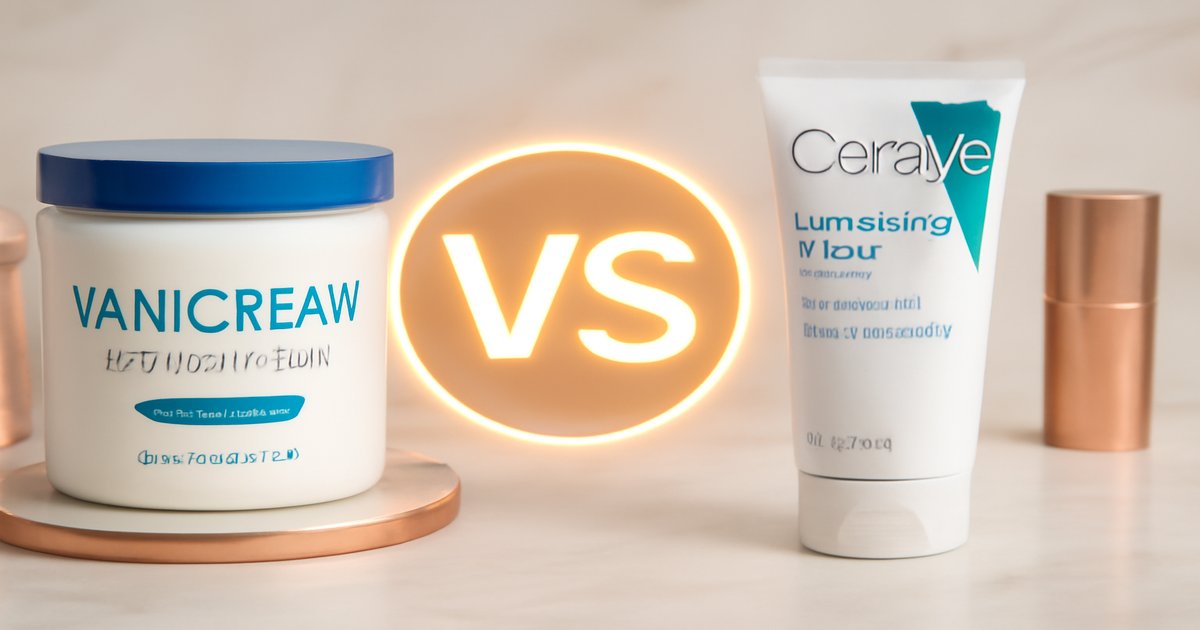
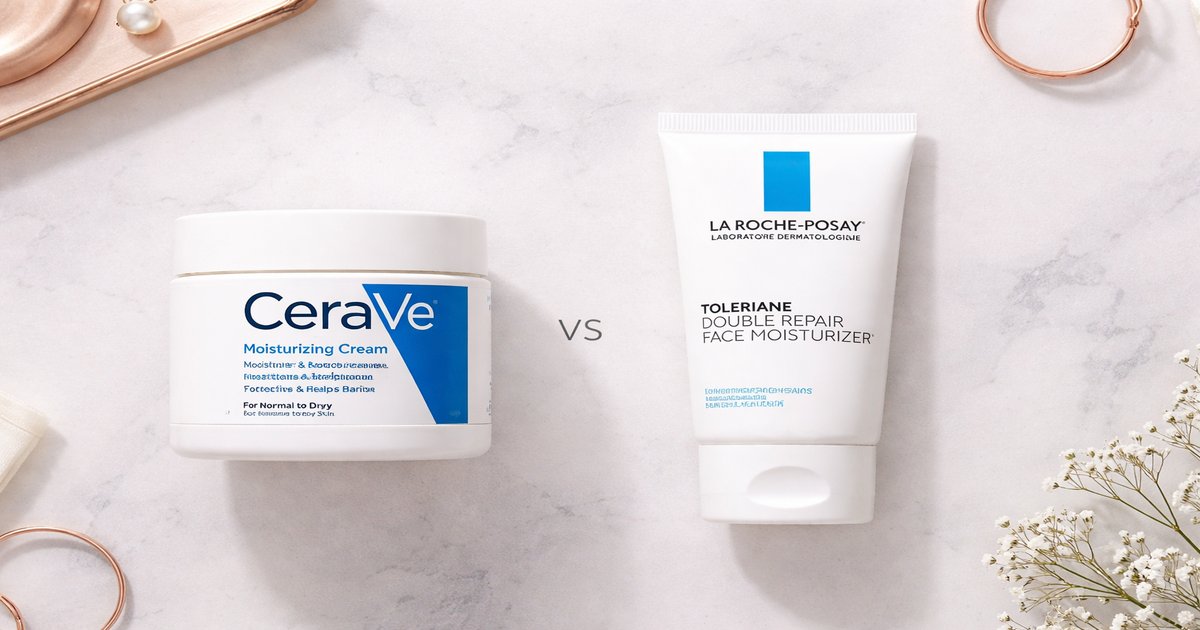
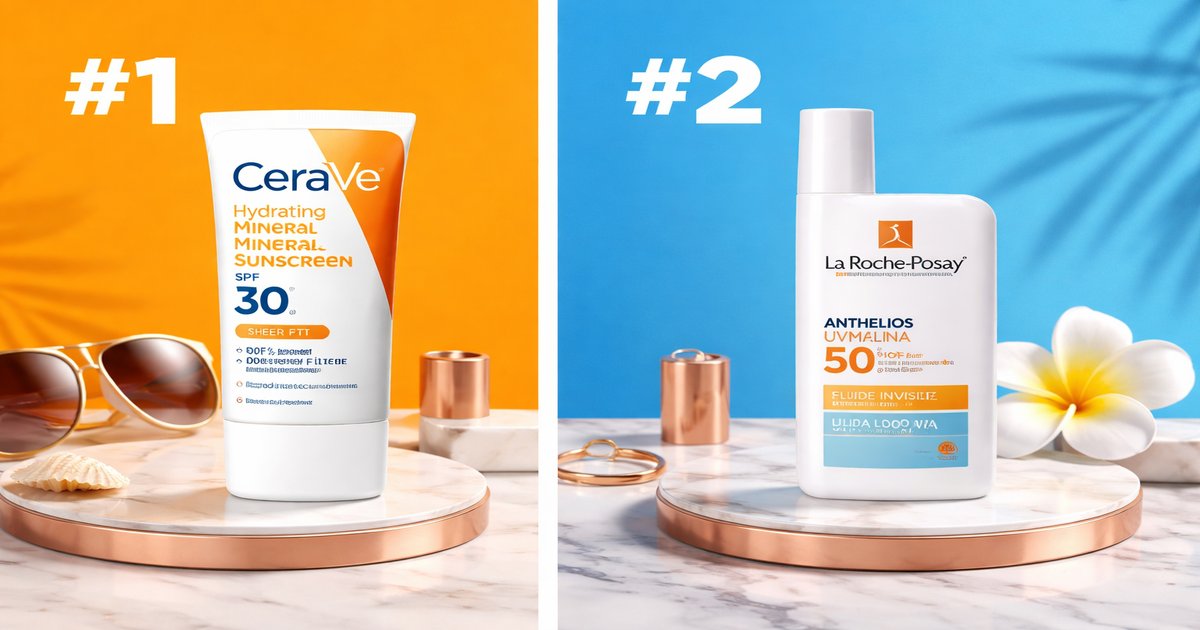
By Imagine this: you’re packing for a day at the beach and need a reliable sunscreen that won’t leave you looking like a ghost or feeling greasy. Finding the perfect balance in a sunscreen is tough, and with options like CeraVe and La Roche-Posay, it can feel like a sunscreen showdown. So, which one should you trust with your skin and your day in the sun?
| Specification | CeraVe Sunscreen | La Roche-Posay Sunscreen |
|---|---|---|
| SPF Rating | 30 | 60 |
| Water Resistance | 40 minutes | 80 minutes |
| Formulation Type | Mineral | Chemical |
| Non-comedogenic | ✓ | ✓ |
| Fragrance-Free | ✓ | ✓ |
| Price Range | $$ | $$$ |
✅ cerave sunscreen Pros
- Affordable for everyday use.
- Contains ceramides and niacinamide for skin barrier support.
- Fragrance-free and suitable for sensitive skin.
❌ cerave sunscreen Cons
- Leaves a noticeable white cast on darker skin tones.
- Lower SPF may not be sufficient for prolonged sun exposure.
- Not as water-resistant as other options.
✅ la roche posay Pros
- High SPF 60 for excellent UVA/UVB protection.
- Lightweight texture absorbs quickly without greasiness.
- Offers superior water resistance up to 80 minutes.
❌ la roche posay Cons
- Higher price point can be a deterrent for some.
- Chemical formulation may irritate very sensitive skin.
- Some users report a slight chemical scent.
Performance in Sun Protection
La Roche-Posay shines with its SPF 60, making it a powerhouse for those who spend long hours under the sun or have fair skin that burns easily. Its chemical formulation ensures a smooth application without the dreaded white cast. CeraVe, on the other hand, offers a more modest SPF 30, which is fine for everyday errands but might not cut it for a beach day. However, its mineral base is a plus for those with sensitive skin seeking a gentler option.
Texture and Feel on the Skin
CeraVe’s mineral sunscreen tends to be thicker and can leave a white residue, particularly noticeable on darker skin tones. It’s not the best if you’re looking for a quick-dry solution. La Roche-Posay, with its chemical blend, glides on more smoothly and absorbs fast, leaving no trace behind. If you hate the feeling of sunscreen, La Roche-Posay might just win your heart with its light, almost invisible finish.
Value for Money
If budget is a concern, CeraVe offers good value, especially considering its skin-nourishing ingredients like ceramides and niacinamide. It’s a solid choice for daily use without breaking the bank. La Roche-Posay, although pricier, justifies the cost with its superior protection and elegant formulation. It’s the kind of sunscreen you’d want for prolonged outdoor activities where you can’t afford to skimp on protection.
CeraVe might not be the best choice if you’re aiming for a sunscreen that vanishes on application; its mineral nature ensures you’ll notice it. La Roche-Posay’s chemical formulation, while effective, can be a bit too potent for ultra-sensitive faces, leading to an occasional sting. Both have their quirks, but knowing what you need will help navigate these minor setbacks.
Our Final Verdict: Which One Should You Buy?
If you’re someone who prefers an affordable, skin-friendly option for daily use, CeraVe is your go-to. It’s perfect for those with sensitive skin who prioritize ingredients that support skin health. For the outdoor enthusiast or anyone needing robust protection without the heavy feel, La Roche-Posay is worth the splurge. Its higher SPF and water resistance make it ideal for those intense sunny days.
Is CeraVe Sunscreen suitable for oily skin?
Yes, CeraVe is non-comedogenic and designed not to clog pores, making it suitable for oily skin types.
Does La Roche-Posay leave a greasy residue?
No, La Roche-Posay’s sunscreen is known for its lightweight texture that absorbs quickly without leaving a greasy feel.
Can I use these sunscreens under makeup?
Both can be used under makeup, but La Roche-Posay’s smoother finish might integrate better with your foundation routine.