
 By
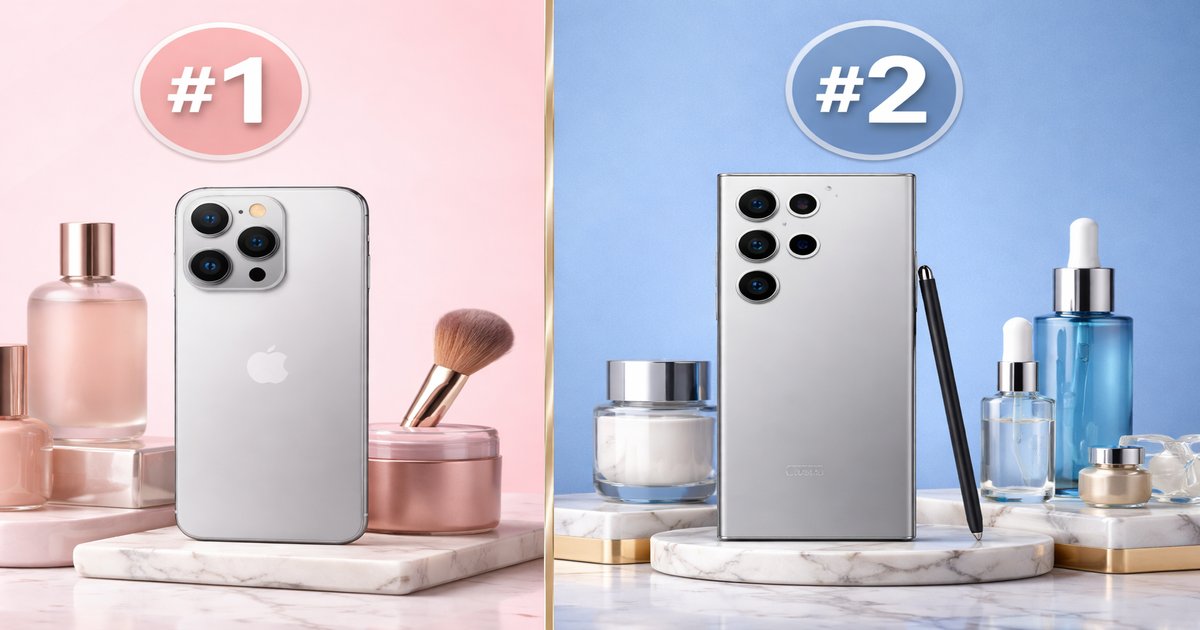
By You’re in the market for a new smartphone, and the age-old battle between iPhone and Android has you torn. Whether you’re after the sleek design of an iPhone or the customizable freedom of Android, making the right choice can feel overwhelming. Let’s break it down so you can decide which side you’re on.
| Feature | iPhone | Android |
|---|---|---|
| Operating System | iOS 17 | Android 13 |
| App Store | Apple App Store | Google Play Store |
| Customizability | ✗ | ✓ |
| Hardware Variety | ✗ | ✓ |
| Security Updates | Regular | Varies by Manufacturer |
| Battery Life | Good | Varies |
✅ iphone Pros
- Seamless integration with other Apple products.
- Consistent and timely software updates.
- Excellent build quality and design.
❌ iphone Cons
- Limited customizability.
- Expensive, especially for higher storage models.
- Closed ecosystem can restrict app and accessory choices.
✅ android Pros
- Highly customizable user experience.
- Wide range of devices at various price points.
- Open ecosystem allows for diverse app and accessory options.
❌ android Cons
- Inconsistent software update schedules.
- Varied build quality across different brands.
- Potential for bloatware on some devices.
Performance
When it comes to performance, iPhones tend to lead due to Apple’s tight integration of hardware and software. The latest A17 Bionic chip is a powerhouse, handling everything from high-end gaming to intensive multitasking without breaking a sweat. On the Android side, performance can vary greatly. Flagship models like the Samsung Galaxy S23 Ultra or Google Pixel 8 Pro offer comparable performance with Snapdragon 8 Gen 2 processors, but mid-range and budget Android devices may not keep up. If you need a phone that stays fast over the years, iPhone is the safer bet.
Build Quality
iPhones are renowned for their premium materials and solid build. The glass and aluminum or stainless steel bodies feel luxurious, and Apple’s attention to detail is second to none. Android phones range from plastic builds to premium glass and metal. Brands like Samsung and Google offer high-end models with excellent build quality, but others may cut corners to lower costs. If aesthetics and durability are crucial to you, iPhone’s consistency in build quality is hard to beat.
Value for Money
Android takes the lead in value for money because of the sheer variety in the market. You can find a decent Android phone at nearly any price point, from budget models that do the basics well to premium devices that rival iPhones in features. iPhones, on the other hand, come with a premium price tag that not everyone can justify. However, they do tend to hold their value better over time, which can be a plus if you plan to sell or trade in your phone later.
Both iPhone and Android come with hidden limitations that might not be obvious at first glance. iPhones, while reliable, can become frustratingly restrictive if you like to personalize your device. Android’s open nature means you might face issues with fragmented software support, especially with less popular brands. Be mindful of these trade-offs when making your decision.
Our Final Verdict: Which One Should You Buy?
If you’re someone who values a seamless experience, loves premium design, and is already invested in the Apple ecosystem, the iPhone is your best bet. However, if you crave freedom, flexibility, and a broader range of choices that cater to any budget, an Android phone will suit you better. Choose based on what aligns most with your lifestyle and priorities.
Is the iPhone worth the extra cost?
For many, yes. The iPhone offers superior build quality, seamless integration with other Apple devices, and holds its value over time, which can justify the higher price tag.
Can Android phones match iPhone’s performance?
Flagship Android phones like the Samsung Galaxy S23 Ultra can match or even exceed iPhone performance, but this varies widely across different manufacturers and models.
How important are software updates?
Very important. iPhones receive regular updates for several years, ensuring security and new features. Android updates depend on the manufacturer, which can affect your phone’s longevity.