
 By
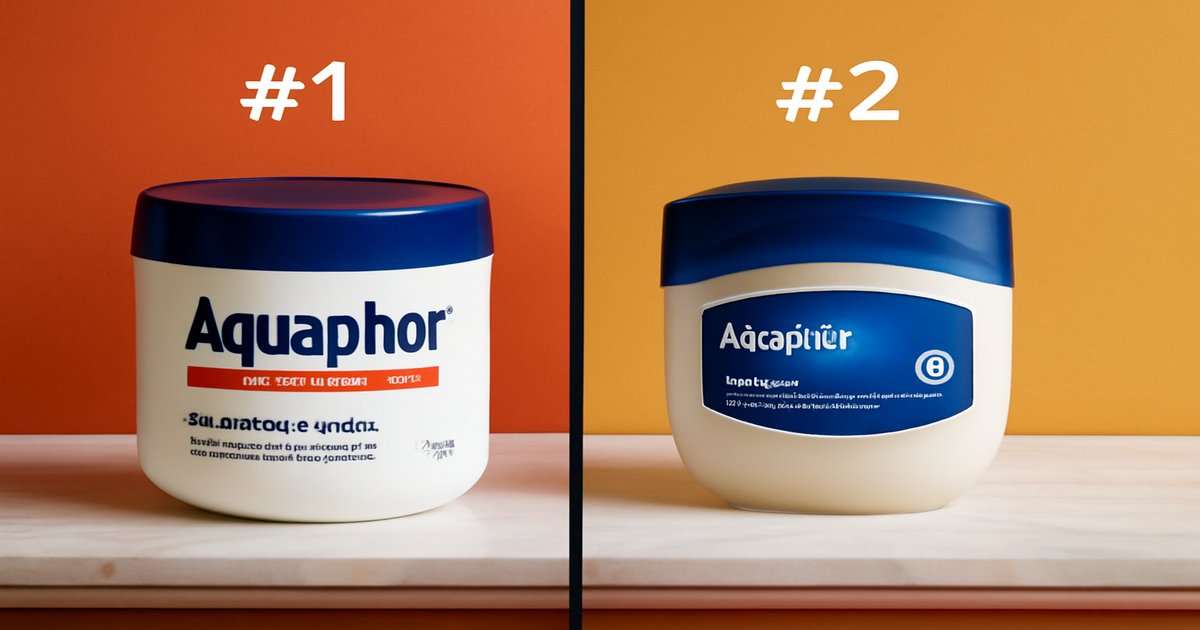
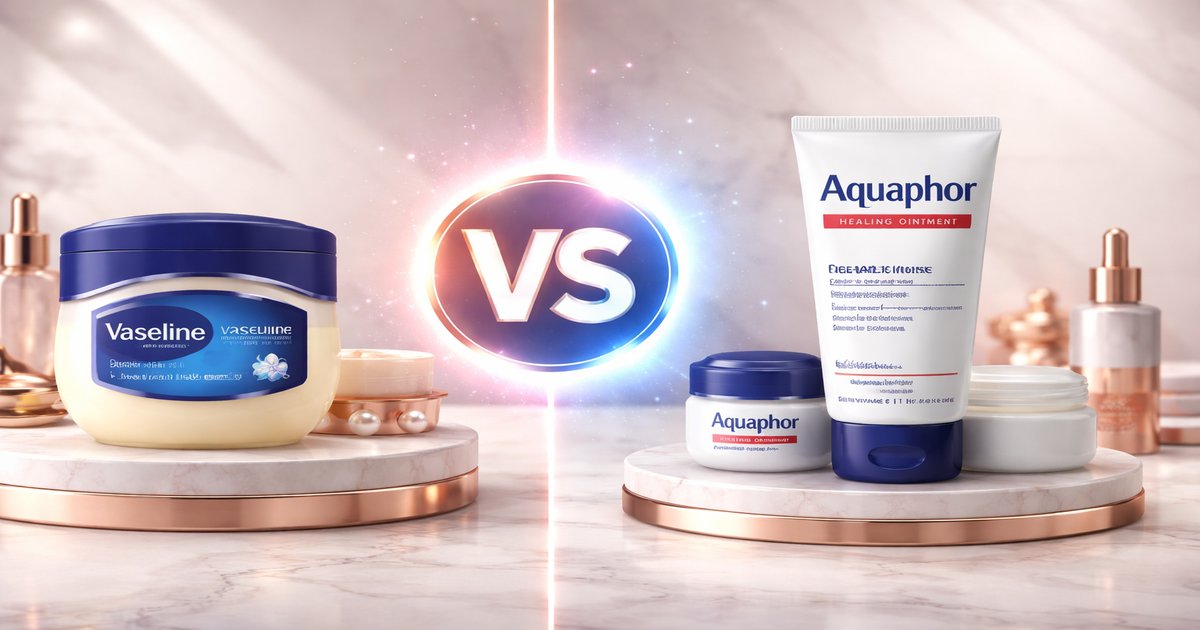
By You’re standing in the skincare aisle, staring at rows of products promising to soothe your dry, cracked skin. You’ve narrowed it down to two heavyweights: Vaseline and Aquaphor. Both are touted as miracle workers, but which one truly deserves a spot in your daily routine?
| Feature | Vaseline | Aquaphor |
|---|---|---|
| Main Ingredient | Petroleum Jelly | Petroleum + Lanolin |
| Moisturizing Capability | ✓ | ✓ |
| Healing Properties | ✓ | ✓ |
| Greasy Residue | ✓ | ✗ |
| Price (per oz) | $1.50 | $2.00 |
| Suitable for Sensitive Skin | ✓ | ✓ |
✅ vaseline Pros
- Cost-effective, especially for bulk users.
- Pure formula with no added fragrances.
- Excellent barrier to lock in moisture.
❌ vaseline Cons
- Can leave a greasy residue that’s hard to wash off.
- Limited in healing properties compared to Aquaphor.
✅ aquaphor Pros
- Great for healing irritated or broken skin.
- Less greasy feel compared to Vaseline.
- Contains additional skin-beneficial ingredients like lanolin.
❌ aquaphor Cons
- More expensive than Vaseline.
- Contains lanolin, which may cause allergies for some users.
Performance in Moisturization
Vaseline is a classic for a reason — its thick layer of petroleum jelly is unbeatable at creating a moisture barrier. It’s the go-to for anyone who wants to lock in hydration before bed. However, if you’re looking for something that also actively soothes and heals, Aquaphor inches ahead. Thanks to its additional ingredients like lanolin, it not only traps moisture but also helps in repairing the skin barrier, making it ideal for those with eczema-prone skin or minor wounds.
Texture and Feel
If the feel of a product is a dealbreaker for you, Aquaphor is the winner. Vaseline can feel overly greasy and leaves a residue that might not be ideal for daytime use. Aquaphor, on the other hand, offers a less sticky experience. It absorbs better, making it suitable for use under clothing without feeling like you’ve slathered on a layer of oil. This makes it a more versatile option for daily use, especially if you need to wear it on-the-go.
Value for Money
Vaseline is undeniably the budget-friendly choice. For anyone looking to cover large areas of skin regularly, Vaseline’s price point makes it a no-brainer choice. However, Aquaphor’s higher price tag buys you enhanced healing properties and a more comfortable feel. If you’re dealing with specific skin issues, the extra dollars can be well worth it for the added comfort and efficacy.
Don’t expect either of these products to work miracles overnight. Vaseline’s strength is in its simplicity and affordability, but it’s not a heavy-hitter for serious skin conditions. Aquaphor can be a bit rich for those with oily skin, and its lanolin content might cause reactions in sensitive users. Test a small patch before diving in.
Our Final Verdict: Which One Should You Buy?
If you’re hunting for an affordable, effective way to maintain skin hydration without breaking the bank, Vaseline is your match. It’s perfect for budget-conscious users looking for a straightforward solution. On the flip side, if you need something that can multitask as a moisturizer and healing ointment, and you don’t mind spending a bit more, Aquaphor is your go-to. It’s ideal for those with sensitive, easily-irritated skin who need extra care.
Is Vaseline safe for all skin types?
Yes, Vaseline is generally safe for all skin types, including sensitive skin. However, its greasy nature might not be suitable for oily skin.
Can Aquaphor be used on open wounds?
Aquaphor is formulated to help heal and protect minor cuts and burns, but it’s always best to consult with a healthcare provider for significant injuries.
How long does each product last once opened?
Both Vaseline and Aquaphor have a long shelf life. Typically, they last about 3 years once opened, assuming they are stored properly.