
 By
By You’re hitting the gym, tracking your steps, and maybe even dabbling in a bit of HIIT. But what about the tech on your wrist? With Apple Watch and Fitbit both vying for your attention, how do you choose the right one to match your lifestyle and fitness goals?
| Feature | Apple Watch | Fitbit |
|---|---|---|
| GPS | ✓ | ✓ |
| Heart Rate Monitoring | ✓ | ✓ |
| Battery Life | 18 hours | 6+ days |
| Water Resistance | Up to 50 meters | Up to 50 meters |
| Price Range | $279 – $799 | $100 – $329 |
| App Ecosystem | ✓ Extensive | ✗ Limited |
✅ apple watch Pros
- Seamless integration with iOS.
- Extensive app ecosystem.
- Advanced health features like ECG and blood oxygen monitoring.
❌ apple watch Cons
- Short battery life compared to competitors.
- Higher price point.
- Best features are iOS exclusive.
✅ fitbit Pros
- Long battery life.
- Affordable pricing options.
- Strong focus on fitness tracking.
❌ fitbit Cons
- Limited app ecosystem.
- Less advanced health monitoring features.
- Design can feel less premium.
Performance and Features
The Apple Watch is like a Swiss Army knife on your wrist. If you’re deep into Apple’s ecosystem, this watch feels like an extension of your iPhone. From answering calls to sending texts and accessing a vast array of apps, it’s a powerhouse. Fitbit, on the other hand, is more like a reliable old friend who values function over flash. It excels in tracking fitness metrics and offers stellar battery life, making it ideal for those who don’t want to charge every night. If you’re all about high-tech health monitoring, Apple Watch takes the lead with features like ECG and blood oxygen sensors.
Build Quality and Design
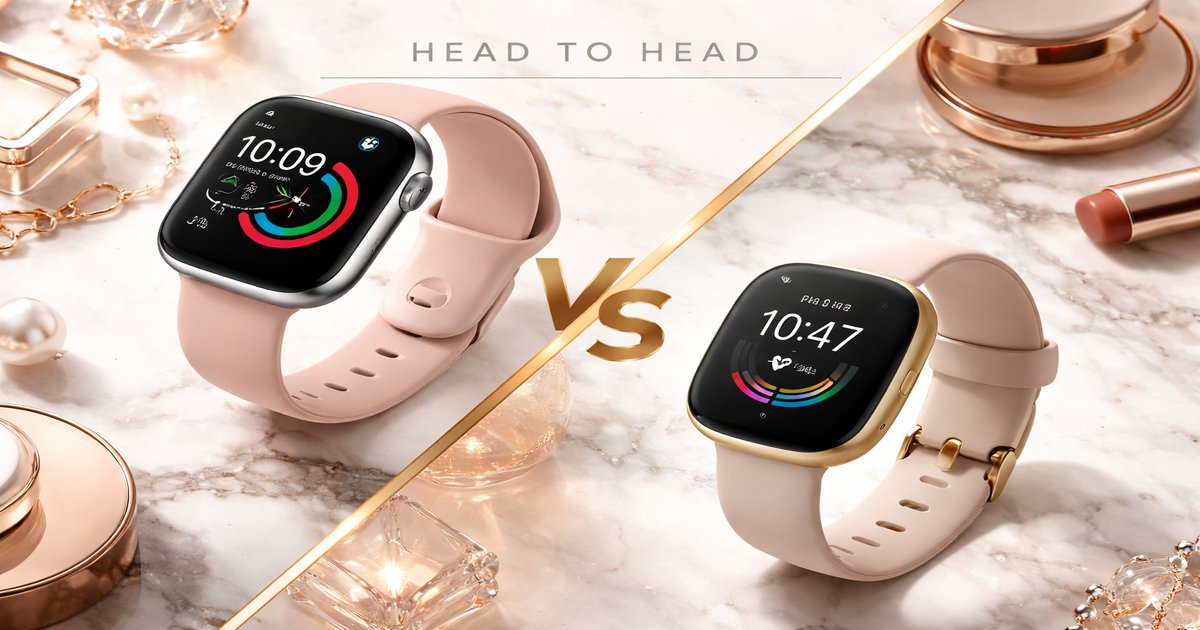
Apple Watch sports a sleek and premium build, available in aluminum, stainless steel, and titanium finishes. Its customizable bands and always-on display add to its appeal. Fitbit, while not as luxurious in feel, offers a lightweight and comfortable design, prioritizing simplicity and function. If you want a smartwatch that doubles as a fashion statement, Apple Watch is your pick. But if comfort and practicality during workouts are your main concerns, Fitbit fits the bill with its lighter design.
Value for Money
Apple Watch offers a compelling package but at a premium. Its extensive features might justify the price for tech enthusiasts and health-conscious users who’ll utilize its full potential. Fitbit, however, provides great value with its focus on essential fitness tracking and impressive battery life. For budget-conscious users who prioritize fitness over flashy extras, Fitbit offers a more economical choice without skimping on core functionality.
Apple Watch’s battery life can be a drag if you’re using it extensively throughout the day. Charging every night becomes a routine, which isn’t ideal for sleep tracking. Fitbit’s app ecosystem may feel restrictive, especially if you’re used to a broader range of apps. It’s great for fitness but not as versatile for other smartwatch functions.
Our Final Verdict: Which One Should You Buy?
If you’re an Apple devotee who values a comprehensive smartwatch experience with top-tier health monitoring, go for the Apple Watch. It’s perfect for tech-savvy users who want a device that does it all. However, if you’re looking for a cost-effective, reliable fitness tracker with excellent battery life, Fitbit is your best bet. Ideal for fitness enthusiasts who want to focus on health metrics without the need for frequent charging.
Is the Apple Watch compatible with Android?
No, the Apple Watch is designed to work exclusively with iOS devices, making it unsuitable for Android users.
How durable is the Fitbit for outdoor activities?
Fitbits are generally sturdy and water-resistant up to 50 meters, making them suitable for most outdoor activities and workouts.
Can the Fitbit track sleep effectively?
Yes, Fitbit excels in sleep tracking, providing detailed insights into sleep stages and quality, thanks to its long battery life that supports overnight wear.