
 By
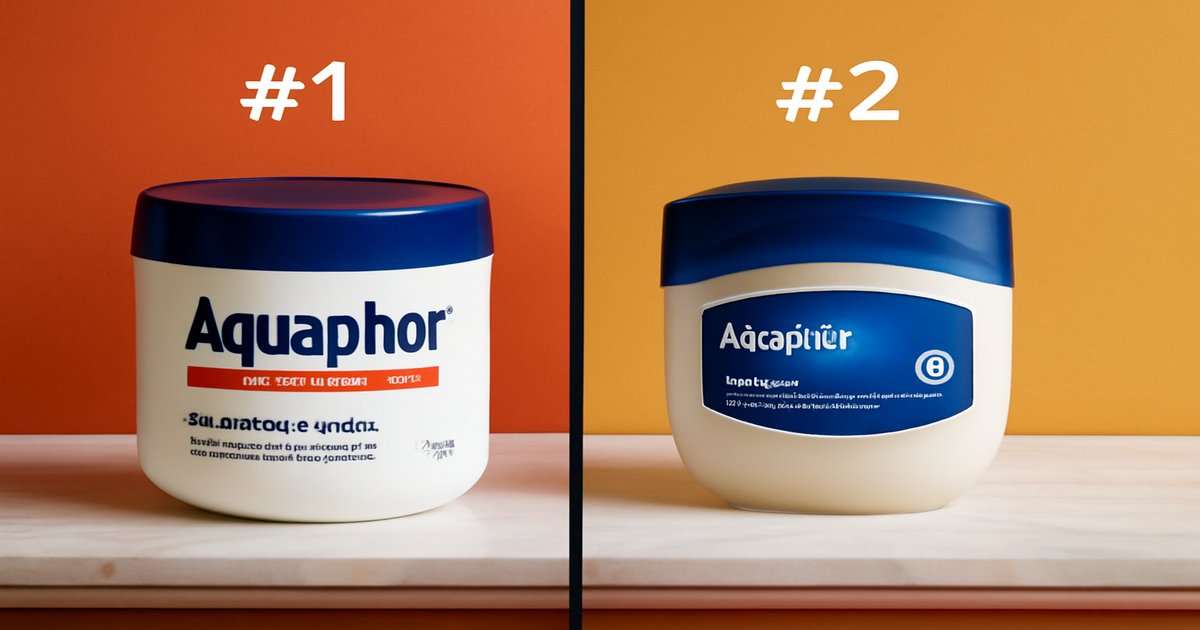
By You’ve been dealing with cracked skin or chafing, and you’re staring at a shelf wondering if Aquaphor or Vaseline will be your skin’s new best friend. It’s a common conundrum, and trust me, both products have their merits, but one might just edge out the other depending on your needs.
| Feature | Aquaphor | Vaseline |
|---|---|---|
| Main Ingredient | Petrolatum (41%), Mineral Oil, Glycerin | 100% Petrolatum |
| Healing Properties | ✓ | ✓ |
| Moisturizing | ✓ | ✓ |
| Fragrance-Free | ✓ | ✓ |
| Non-Comedogenic | ✓ | ✓ |
| Additional Ingredients | Panthenol, Bisabolol | ✗ |
| Price (per oz) | $0.90 | $0.60 |
✅ aquaphor Pros
- Contains additional healing ingredients like Panthenol and Bisabolol.
- Better for sensitive skin due to its formulation.
- Multi-purpose use, including minor burns and scrapes.
❌ aquaphor Cons
- More expensive than Vaseline.
- Greasy texture might not be for everyone.
✅ vaseline Pros
- Highly effective occlusive for locking in moisture.
- Budget-friendly option.
- Simple, hypoallergenic formula.
❌ vaseline Cons
- Limited to basic skin protection and moisture retention.
- Can feel too heavy for some skin types.
Performance and Healing Properties
Aquaphor pulls ahead when it comes to healing properties because of its additional ingredients like Panthenol and Bisabolol, which aid skin repair. If you’re dealing with more than just dry skin—think minor cuts, burns, or scrapes—Aquaphor is your go-to. Vaseline, on the other hand, is a classic for a reason: it excels at sealing in moisture. It’s a reliable choice for preventing chafing and keeping skin hydrated, but don’t expect it to perform miracles on its own.
Value for Money
Vaseline takes the crown here, especially if you’re on a budget. At $0.60 per ounce, it’s significantly cheaper than Aquaphor’s $0.90 per ounce. If your needs are basic—mainly moisture retention and protection against the elements—Vaseline is the economical choice. Aquaphor, while pricier, offers more versatility and healing benefits, which might justify the cost if you require those extra skin-saving features.
Texture and Skin Feel
Both products are known for their greasy textures, but Aquaphor feels slightly less heavy due to its blend of ingredients. If you’re using these products on visible areas of your body, you might prefer Aquaphor’s somewhat lighter application. Vaseline is straightforward and effective but can leave a lingering greasy feel that some people find bothersome. Consider when and where you’ll be applying the product when making your choice.
What most reviews miss is that both products can be a nightmare under makeup or if you’re planning to use them during the day. They don’t absorb quickly, meaning you might leave greasy fingerprints on everything. Neither is ideal for acne-prone skin, so tread carefully if that’s a concern.
Our Final Verdict: Which One Should You Buy?
If you’re someone who needs a versatile, more comprehensive healing ointment, Aquaphor is your best bet. It’s perfect for those with sensitive or compromised skin needing more than just moisture. However, if you’re looking for a straightforward and budget-friendly option to keep your skin hydrated and protected, Vaseline is the classic choice that won’t let you down.
Is Aquaphor better than Vaseline for eczema?
Aquaphor is generally better for eczema due to its additional healing ingredients, offering more than just moisture.
Can I use Vaseline on my face?
Yes, but it may feel heavy and greasy. If your skin is prone to acne, test it on a small area first.
How long does a jar of Aquaphor or Vaseline last?
This depends on usage, but typically, a small jar can last several months if used for minor applications.