
 By
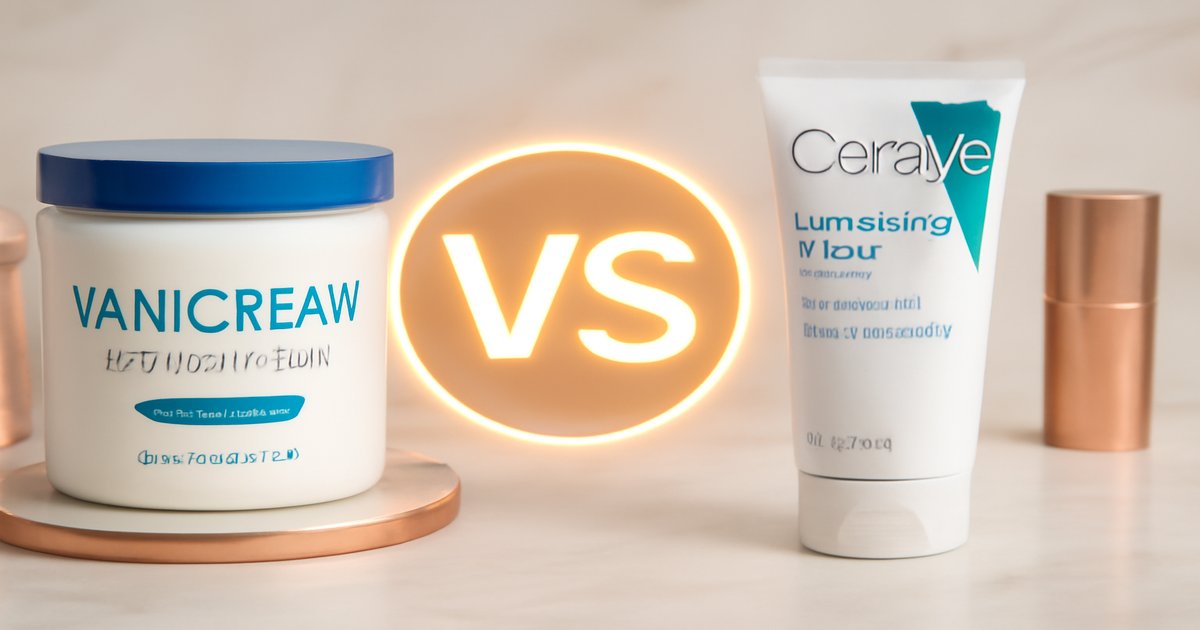
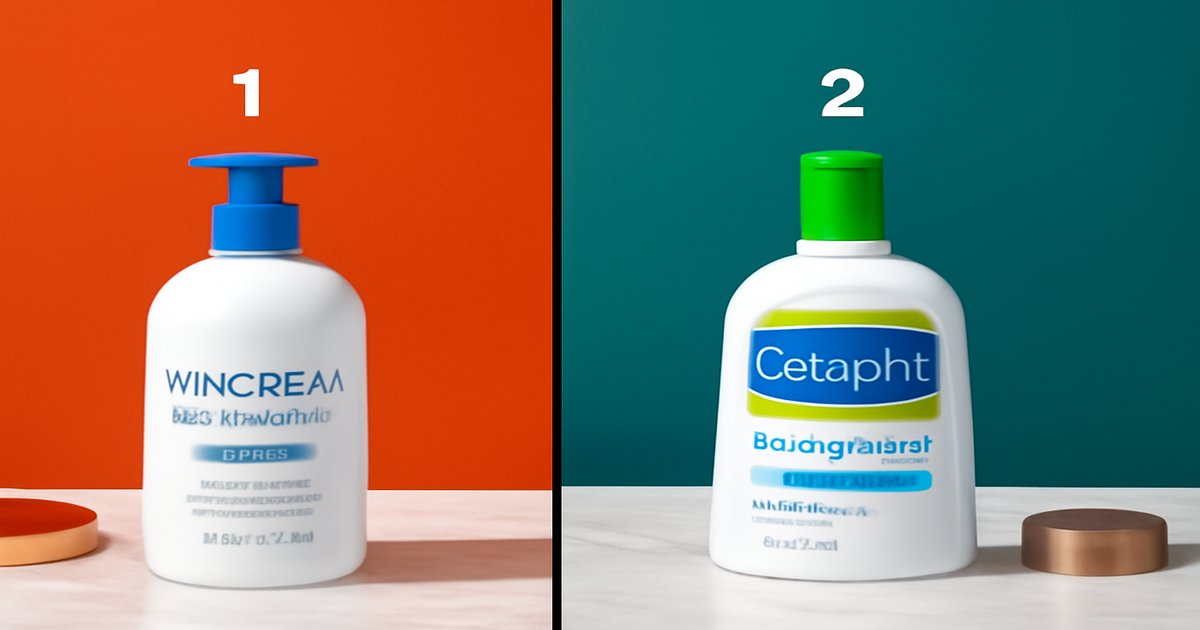
By You’ve just come back from your dermatologist with a recommendation to switch up your skincare routine. Standing in the aisle, you’re torn between Vanicream and Cetaphil, two top contenders for sensitive skin. Let’s dive into what makes each one tick and help you make a confident choice without the guesswork.
| Feature | Vanicream | Cetaphil |
|---|---|---|
| Fragrance-Free | ✓ | ✓ |
| Paraben-Free | ✓ | ✓ |
| Non-Comedogenic | ✓ | ✓ |
| Suitable for Eczema | ✓ | ✓ |
| Moisturizing Ingredients | Petrolatum, Sorbitol | Glycerin, Panthenol |
| Price per Ounce | $1.20 | $1.50 |
✅ vanicream Pros
- Excellent for extremely sensitive skin, lacking common irritants.
- More affordable when considering price per ounce.
- Simple ingredient list minimizes reaction risks.
❌ vanicream Cons
- Can feel a bit greasy upon application.
- Not as widely available in local stores as Cetaphil.
✅ cetaphil Pros
- Widely available at most retailers and online.
- Contains additional ingredients like panthenol for enhanced hydration.
- Absorbs quickly without a greasy finish.
❌ cetaphil Cons
- Pricier compared to Vanicream.
- Some users report a slight stinging sensation on sensitive skin.
Performance and Skin Feel
Vanicream is your best friend if you have hypersensitive skin. Its formula is stripped down to essentials, which means you’re less likely to experience irritation. However, it can leave you feeling a bit greasy, like you’ve just applied a barrier cream. Cetaphil, on the other hand, applies smoothly and absorbs quickly, leaving no residue. It’s great if you’re in a rush and need something that plays nice under makeup. The trade-off? It may not be as soothing if your skin is already inflamed or irritated.
Ingredient Composition
Vanicream keeps it simple with petrolatum and sorbitol, which are practical for building a moisture barrier but can be a bit heavy. Cetaphil introduces glycerin and panthenol, ingredients known for their ability to attract water and soothe the skin. If you have combination skin, Cetaphil might strike a better balance without overwhelming your oilier areas. Vanicream’s simplicity works in its favor if you’re prone to allergies or eczema, as fewer ingredients mean fewer chances of a reaction.
Value for Money
When it comes to cost, Vanicream edges out Cetaphil by a good margin. If you’re on a tight budget, Vanicream gives you more bang for your buck. But remember, if accessibility is key for you, Cetaphil is often easier to find, saving you time and hassle. The slight price increase with Cetaphil might be justified if you value convenience and additional skin-loving ingredients.
Vanicream can sometimes be hard to find in smaller stores, which might mean ordering online and waiting a bit longer. Cetaphil, while generally solid, can cause mild stinging for those with ultra-sensitive skin, which many reviews gloss over. Always patch-test, especially if your skin is finicky.
Our Final Verdict: Which One Should You Buy?
If your skin is sensitive to everything and you’re tired of side-eyeing ingredient lists, grab Vanicream. It’s a no-nonsense option that won’t break the bank. But if you need a moisturizer that’s easy to find and versatile enough for everyday use, Cetaphil is your go-to. It’s perfect for those who want a quick-absorbing formula with a few extra hydrating perks.
Is Vanicream suitable for oily skin?
While Vanicream is safe for all skin types, its thicker consistency may feel heavy for those with oily skin. It’s best used at night or in dry climates.
Can Cetaphil be used under makeup?
Yes, Cetaphil absorbs quickly and leaves a smooth finish, making it a good base for makeup application.
Which product has a longer shelf life?
Both Vanicream and Cetaphil have similar shelf lives of about three years if unopened. Always check the expiration date on the packaging.