
 By
When you’re dealing with dry, cracked skin or need a soothing recovery after a workout, choosing the right ointment can be a game-changer. You might be torn between CeraVe Healing Ointment and Aquaphor, two heavyweights in the world of skin repair. Let’s break down which one deserves a spot in your gym bag or medicine cabinet.
| Feature | CeraVe Healing Ointment | Aquaphor |
|---|---|---|
| Main Ingredients | Petrolatum, Ceramides | Petrolatum, Panthenol |
| Fragrance-Free | ✓ | ✓ |
| Non-comedogenic | ✓ | ✗ |
| Contains Lanolin | ✗ | ✓ |
| Skin Barrier Support | Ceramides | Glycerin |
| Price (approx. for 3oz) | $10 | $7 |
✅ cerave healing ointment Pros
- Includes ceramides for enhanced skin barrier repair.
- Non-comedogenic, won’t clog pores.
- Fragrance-free, suitable for sensitive skin.
❌ cerave healing ointment Cons
- Higher price point compared to Aquaphor.
- Thicker consistency might feel greasy.
✅ aquaphor Pros
- Cost-effective for budget-conscious users.
- Versatile for multiple uses, including minor cuts and burns.
- Contains panthenol and glycerin for skin conditioning.
❌ aquaphor Cons
- Contains lanolin, which may cause allergies in some.
- Not non-comedogenic, may cause breakouts for some users.
Performance and Effectiveness
Both ointments offer impressive hydration and skin repair, but CeraVe’s inclusion of ceramides gives it an edge in supporting the skin barrier. If you’re regularly exposed to harsh environments or have particularly sensitive skin, CeraVe might be the better choice. Aquaphor, while rich and soothing, tends to leave a slightly greasy finish due to its lanolin content. It’s great for overnight healing or protecting exposed skin but might not be ideal if you’re prone to acne.
Ingredients and Skin Type Compatibility
CeraVe Healing Ointment’s non-comedogenic formula is perfect for those worried about clogged pores. With no lanolin, it’s a safer bet for sensitive or allergic skin. Aquaphor’s lanolin and petrolatum combo excels in moisture retention, making it a fantastic option for severely dry skin. However, if lanolin allergies are a concern, steer clear or test it out on a small area first.
Value for Money
If you’re counting pennies, Aquaphor provides excellent bang for your buck, especially if you’re using it for multiple purposes like tattoos, minor burns, or chapped lips. CeraVe, though pricier, offers added benefits with ceramides, making it worth the extra dollars if you need comprehensive skin repair. For everyday use, it might be overkill, but for targeted treatment, it’s a solid investment.
While both products are effective, neither is a miracle worker. They don’t replace the need for a full skincare regimen. Aquaphor’s lanolin can be a surprise allergen, while CeraVe’s thicker texture might not be comfortable for everyone, especially if you’re active and need a fast-absorbing solution.
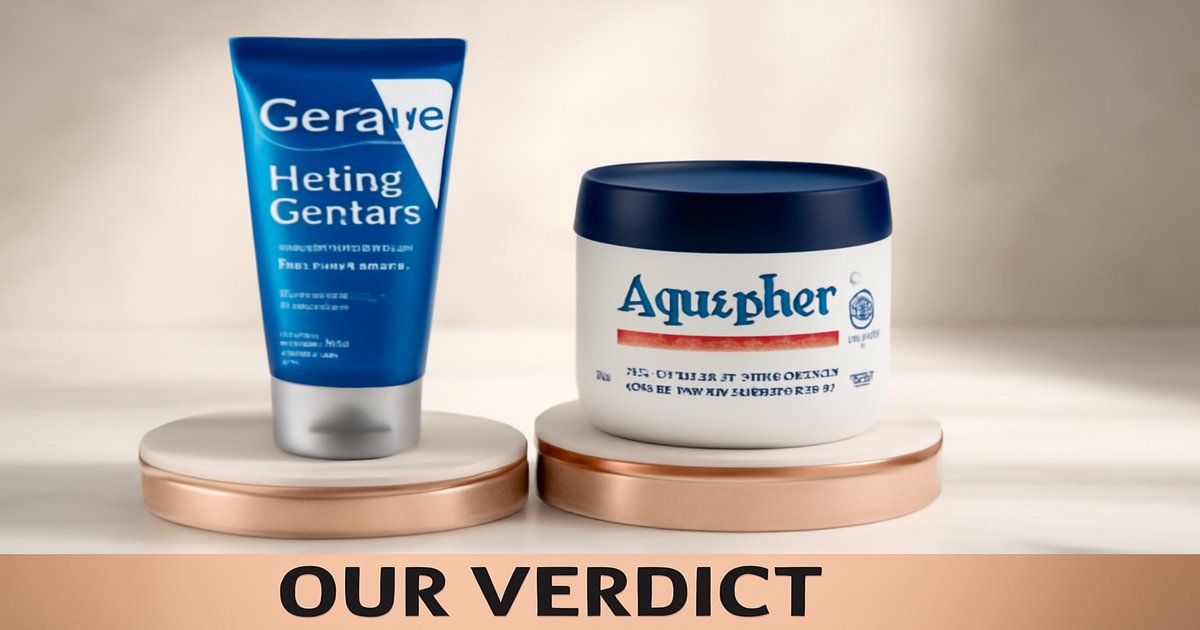
Our Final Verdict: Which One Should You Buy?
If you’re after a multitasker on a tight budget, Aquaphor is your go-to, especially for general skin conditions or minor skin injuries. For those with sensitive or acne-prone skin who need a specialized product to reinforce the skin barrier, CeraVe Healing Ointment is worth the splurge. Choose based on your specific skin needs and potential sensitivities.
Will these ointments stain my clothes?
Both ointments have a greasy consistency, so there’s a risk of staining. Allow time for absorption or apply a bandage if contact with clothing is a concern.
Can I use these products on my face?
CeraVe is non-comedogenic, so it’s safer for facial use, especially if you’re prone to breakouts. Aquaphor can be used too but might cause breakouts in acne-prone skin.
How long does each ointment last?
A little goes a long way with both products. Depending on usage, a 3oz tube can last several months, making them both economical options for long-term use.