
 By
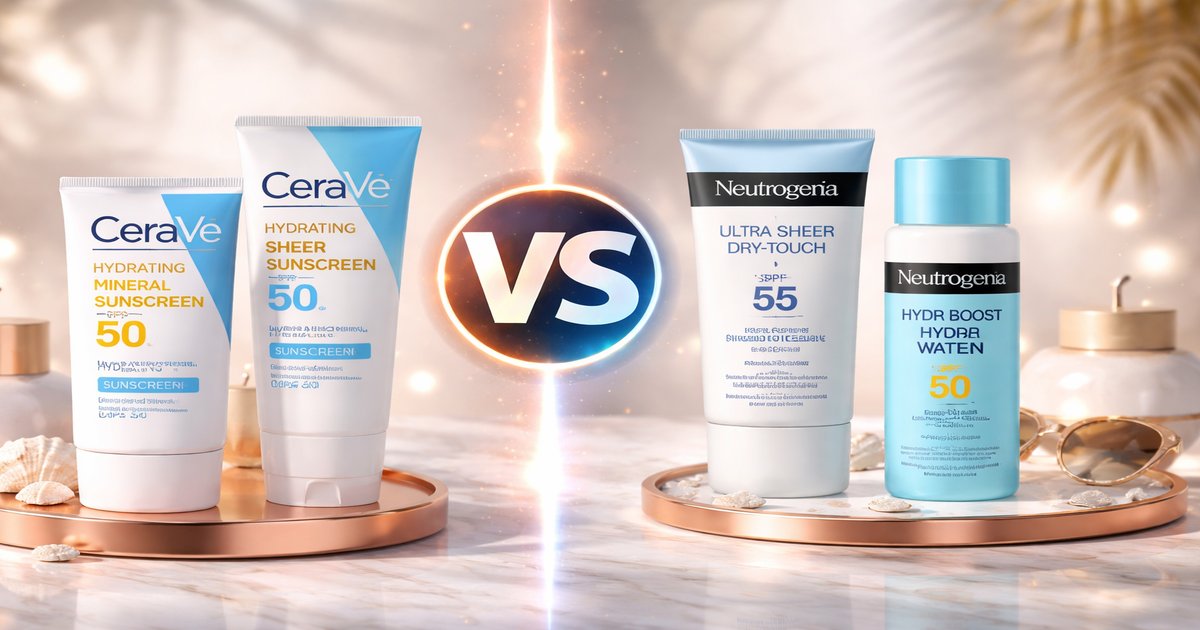
By You’re planning a beach day but don’t want to end up looking like a lobster. Picking the right sunscreen can be as daunting as finding a needle in a haystack, especially when you’re torn between CeraVe and Neutrogena. Let’s break down the sunscreen showdown so you can hit the sun without the burn.
| Feature | CeraVe Sunscreen | Neutrogena Sunscreen |
|---|---|---|
| SPF Rating | 30-50 | 30-100 |
| Water Resistance | 80 minutes | 80 minutes |
| Active Ingredients | Zinc Oxide, Titanium Dioxide | Avobenzone, Homosalate |
| Sensitive Skin Friendly | ✓ | ✗ |
| Fragrance-Free | ✓ | ✗ |
| Price Range | $10-15 | $8-12 |
✅ cerave sunscreen Pros
- Great for sensitive skin with its fragrance-free formula.
- Contains ceramides for extra skin barrier support.
- Mineral-based, making it a safer option for coral reefs.
❌ cerave sunscreen Cons
- Can leave a white cast, especially on darker skin tones.
- Thicker consistency might feel heavy for daily wear.
✅ neutrogena Pros
- Offers a higher SPF option for those extra sunny days.
- Lighter formula, making it ideal for everyday use.
- Budget-friendly, offering good protection without breaking the bank.
❌ neutrogena Cons
- Not ideal for sensitive skin due to chemical filters.
- Contains fragrance, which might not be suitable for everyone.
Performance in Sun Protection
CeraVe’s mineral-based sunscreen provides solid protection, especially if you have sensitive skin. The zinc oxide and titanium dioxide combo offers broad-spectrum defense. Neutrogena, on the other hand, boasts a higher SPF range, which is a lifesaver on those blazing hot days. However, its chemical filters aren’t as gentle on the skin. If you’re planning on intense sun exposure, Neutrogena might be your go-to, but remember it might not be the best for sensitive skin types.
Application and Feel
When it comes to texture, Neutrogena takes the cake with its lightweight and easy-to-spread formulation. Perfect for your daily routine, you won’t feel like you’re wearing a mask. CeraVe, however, feels a bit denser. While it offers excellent hydration due to its ceramides, it might not be the best choice for a quick morning application, especially if you’re in a rush. However, for those dealing with dry skin, the extra moisture is a boon.
Value for Money
Neutrogena’s price point is hard to beat, especially if you’re on a budget. You get effective sun protection without sacrificing your wallet. CeraVe, while a bit pricier, offers added skin benefits with its ceramides, making it a worthwhile investment for those who prioritize skin health alongside sun protection. If you’re willing to pay a bit extra for added skin benefits, CeraVe’s your guy.
Both sunscreens have their hidden quirks. CeraVe’s white cast might be a deal-breaker if you have darker skin, while Neutrogena’s fragrance could irritate sensitive noses and skins. Don’t just slap them on — test a patch first to see which one gels with your skin.
Our Final Verdict: Which One Should You Buy?
If you have sensitive skin or are environmentally conscious, CeraVe Sunscreen is your best bet. The mineral formula and added ceramides make it a solid choice for both protection and skin health. But if you’re looking for an affordable, lightweight option for daily use and don’t mind chemical filters, Neutrogena is a reliable pick. It’s perfect for those who need high SPF without feeling greasy.
Does CeraVe leave a white cast on all skin tones?
Unfortunately, yes. The mineral-based formula can leave a noticeable white cast, especially on darker skin tones.
Is Neutrogena Sunscreen suitable for oily skin?
Yes, its lightweight formula is ideal for oily skin as it doesn’t add extra grease or shine.
Can I use these sunscreens under makeup?
Yes, both can be used under makeup, but Neutrogena’s lighter texture might be more compatible with your foundation.