
 By
By Finding the perfect sunscreen can feel like a never-ending quest. Whether you’re hitting the beach or just walking to work, you want something that protects your skin without making you feel like a greaseball. You’ve likely narrowed it down to Neutrogena and La Roche-Posay, two heavyweights in the sunscreen arena, but which one really delivers?
| Feature | Neutrogena | La Roche-Posay |
|---|---|---|
| SPF Range | 15 to 100+ | 30 to 60 |
| Water Resistance | 80 minutes | 40 to 80 minutes |
| Formulation Type | Chemical | Mineral & Chemical |
| Sensitive Skin Friendly | ✓ | ✓ |
| Non-Comedogenic | ✓ | ✓ |
| Price Range | $8-$12 | $30-$40 |
| Available Sizes | 3 oz, 5 oz | 1.7 oz, 3 oz |
✅ Neutrogena Pros
- Wide range of SPF options for various needs.
- Excellent water resistance.
- Highly affordable, ideal for budget-conscious buyers.
❌ Neutrogena Cons
- Can feel greasy on oily skin types.
- Some formulations contain oxybenzone, a controversial ingredient.
- Fragrance might be irritating for sensitive noses.
✅ La Roche-Posay Sunscreen Pros
- Lightweight and non-greasy, perfect for daily wear.
- Includes mineral formulations suitable for sensitive skin.
- High-quality ingredients backed by dermatologists.
❌ La Roche-Posay Sunscreen Cons
- Premium price point not suitable for tight budgets.
- Limited SPF options compared to Neutrogena.
- Lower water resistance in some products.
Performance in Real-world Conditions
Neutrogena sunscreens shine when you’re sweating it out at the beach or pool. Their high SPF options and solid water resistance mean you can enjoy the sun without frequent reapplication. However, if you’re someone who hates feeling like you’ve slathered on a layer of grease, La Roche-Posay might be your better bet. It absorbs quickly, leaving no sticky residue, making it ideal for everyday city life where you just need solid UV protection without the fuss.
Ingredient Quality and Skin Compatibility
La Roche-Posay takes the crown for ingredient quality. Their Anthelios line, which includes mineral sunscreens, is a godsend for sensitive skin folks. Neutrogena, while also suitable for sensitive skin, often includes oxybenzone—a red flag for some. If you’re concerned about skin reactions or prefer a mineral option, La Roche-Posay is the safer choice. Neutrogena, on the other hand, wins on sheer variety, offering a sunscreen for every skin type and need, albeit with some eyebrow-raising ingredients.
Value for Money
Let’s talk dollars and cents. Neutrogena offers unbeatable value for money. With a price tag that’s a fraction of La Roche-Posay’s, you get decent quality without breaking the bank. It’s perfect for families or anyone who goes through sunscreen like water. La Roche-Posay justifies its steeper price with superior formulations and dermatologist backing. If you’re investing in quality and sustainability, it’s money well spent. But if you’re just looking for reliable, everyday protection, Neutrogena is your go-to.
Hidden limitations include Neutrogena’s potential to irritate sensitive skin due to certain chemical filters. La Roche-Posay’s mineral formulas can leave a white cast, particularly on darker skin tones. Neither is perfect, but knowing these quirks can save you from sunscreen drama later.
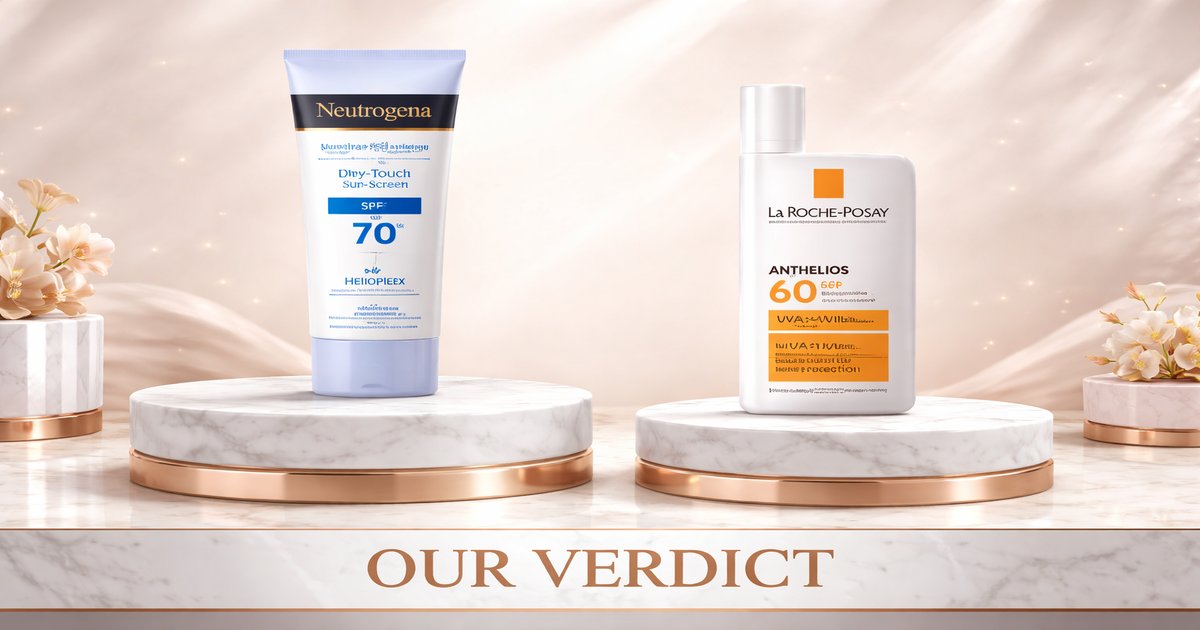
Our Final Verdict: Which One Should You Buy?
If you’re on a budget and need a reliable, high-SPF option for outdoor activities, Neutrogena is your best bet. It’s perfect for families or anyone who needs to slather up frequently without feeling guilty about the price. On the flip side, if skin sensitivity is a concern and you’re willing to invest in a product that’s as luxurious as it is effective, La Roche-Posay is the way to go. It’s tailored for those who prioritize high-quality ingredients and are okay with spending for peace of mind.
Is Neutrogena sunscreen safe for sensitive skin?
Yes, many Neutrogena sunscreens are formulated to be non-comedogenic and suitable for sensitive skin, though you should check for specific ingredients like oxybenzone that might irritate some users.
Does La Roche-Posay sunscreen leave a white cast?
Some of La Roche-Posay’s mineral-based sunscreens may leave a slight white cast, particularly on darker skin tones. It’s advisable to test before buying if this is a major concern for you.
How often should I reapply each sunscreen?
For Neutrogena, reapplication is generally recommended every 80 minutes, especially if swimming or sweating. La Roche-Posay varies between 40 to 80 minutes depending on the specific product, so always check the label.