
 By
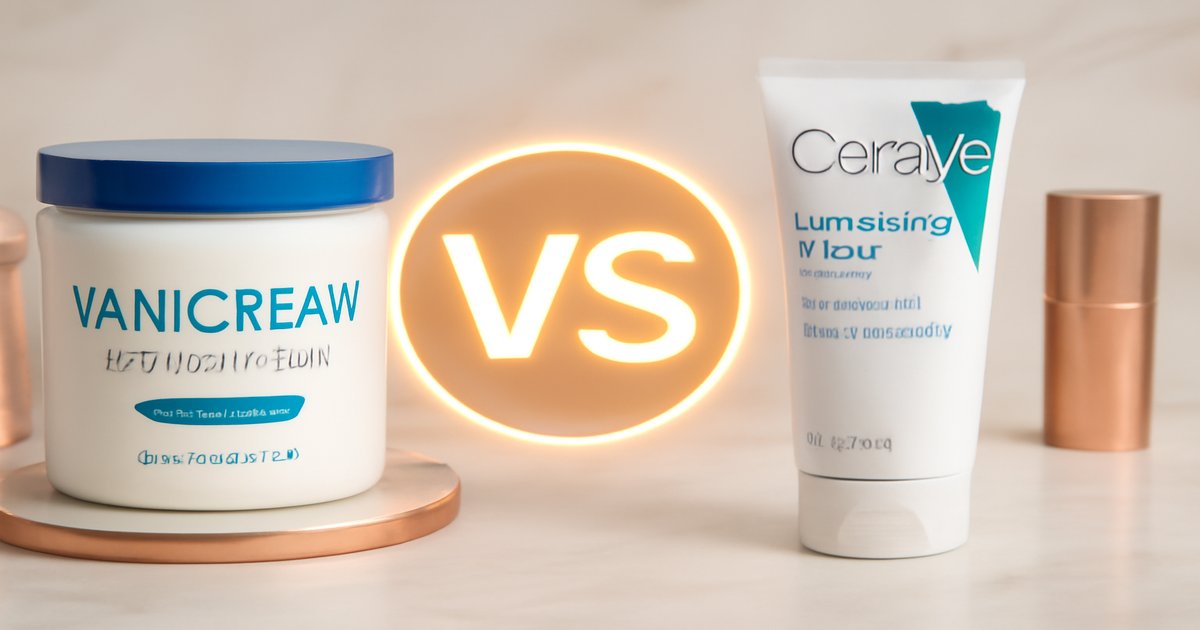
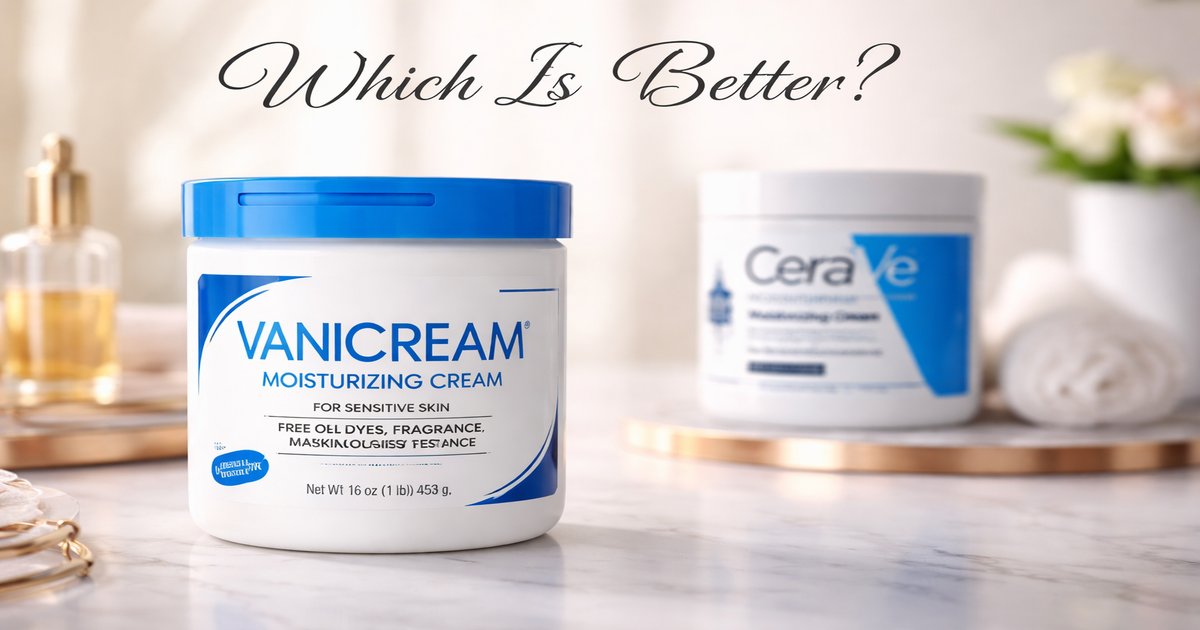
By You’ve got that irritated skin that feels like it’s been through a sandstorm, and you’re standing in the skincare aisle overwhelmed by choices. Vanicream and CeraVe both promise soothing relief, but which one actually delivers the comfort your skin deserves without adding to your woes?
| Feature | Vanicream | CeraVe |
|---|---|---|
| Fragrance-Free | ✓ | ✓ |
| Ceramide Content | ✗ | ✓ |
| Suitable for Sensitive Skin | ✓ | ✓ |
| Paraben-Free | ✓ | ✓ |
| Price (16 oz) | $13.99 | $15.99 |
| Availability of Additional Products | ✗ | ✓ |
✅ vanicream Pros
- Extremely gentle and ideal for sensitive skin.
- Free from common irritants like dyes and parabens.
- More affordable than many competitors.
❌ vanicream Cons
- Lacks ceramides which are essential for skin barrier repair.
- Limited product variety compared to CeraVe.
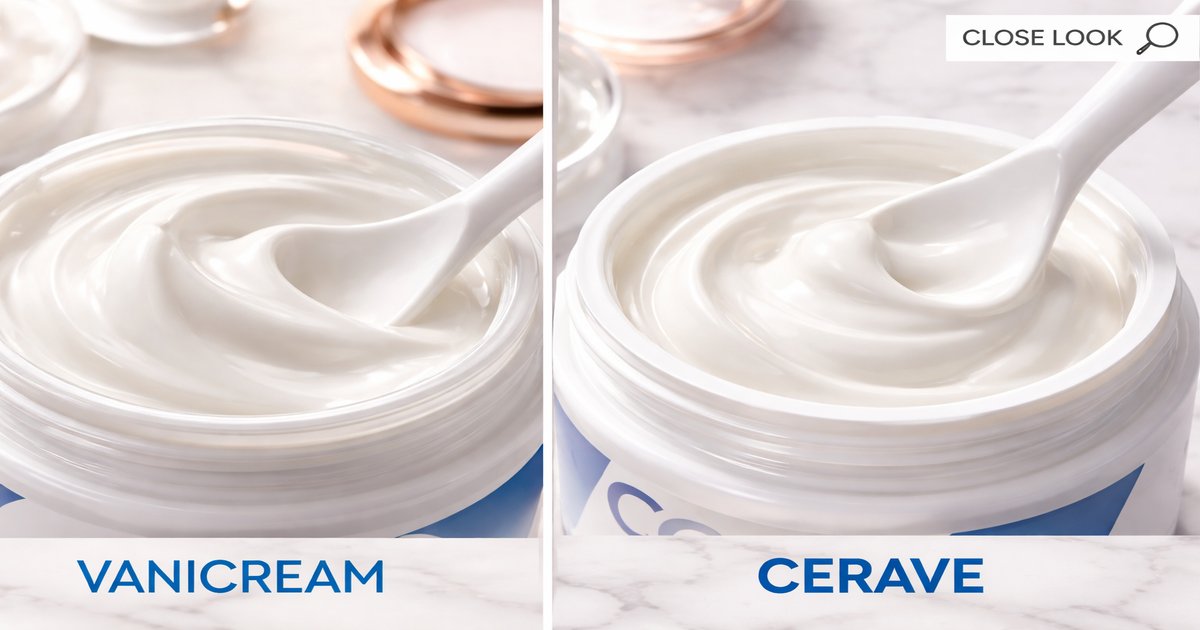
- Texture can feel a bit greasy for some users.
✅ cerave Pros
- Contains ceramides and hyaluronic acid for enhanced skin barrier protection.
- Widely available with an extensive product line.
- Balances moisturizing with a lightweight feel.
❌ cerave Cons
- Pricier than Vanicream.
- Some formulations include alcohols that might irritate very sensitive skin.
- Sometimes leaves a slight residue.
Performance on Sensitive Skin
Vanicream is like that trusty friend who never lets you down when your skin is on the fritz. It’s formulated without dyes, lanolin, fragrance, masking fragrance, parabens, and formaldehyde. If your skin breaks out in rebellion at the mere thought of a new product, Vanicream is your go-to. On the other hand, CeraVe also stands tall with its gentle formulation but adds ceramides and hyaluronic acid to the mix, which help restore the skin’s natural barrier. This makes it excellent for eczema-prone skin, though you might find it a little more expensive.
Ingredient Profile and Effectiveness
Vanicream skips the fancy marketing and sticks to what works: simplicity. Its minimal ingredients list means fewer potential irritants. But if you’re looking for a bit more in the way of skin science, CeraVe’s inclusion of ceramides and hyaluronic acid can’t be ignored. These ingredients are like the architects of your skin’s defense system, patching up holes in your skin barrier and keeping moisture intact. If you’re dealing with severely dry or compromised skin, CeraVe might be the better bet.
Value for Money
Both Vanicream and CeraVe offer decent value for their price points. Vanicream is more budget-friendly, making it a great choice if you’re watching your wallet while still wanting quality skincare. CeraVe, although slightly more expensive, provides added benefits with its extra ingredients, which might justify the cost if you need that additional skin barrier support. For those who like to keep it simple and effective, Vanicream does the job without fuss.
Here’s the kicker: Vanicream leaves a slightly greasy after-feel, which might not be ideal if you’re layering it under makeup. CeraVe’s products, while effective, can sometimes leave a residue that takes a while to absorb fully. If you’re someone who needs quick absorption, this could be a dealbreaker.
Our Final Verdict: Which One Should You Buy?
If your skin is ultra-sensitive and you need something straightforward without breaking the bank, go for Vanicream. It’s like a warm hug for your skin on those days it feels like it’s been through a war zone. However, if you’re dealing with chronic dry skin or conditions like eczema and are willing to spend a bit more for a scientifically-backed formula, CeraVe is your answer. Its barrier-repairing ingredients offer more if you’re looking for a long-term solution.
Is Vanicream suitable for acne-prone skin?
Yes, Vanicream is non-comedogenic, meaning it won’t clog pores, making it suitable for acne-prone skin.
Can CeraVe be used for facial moisturizing?
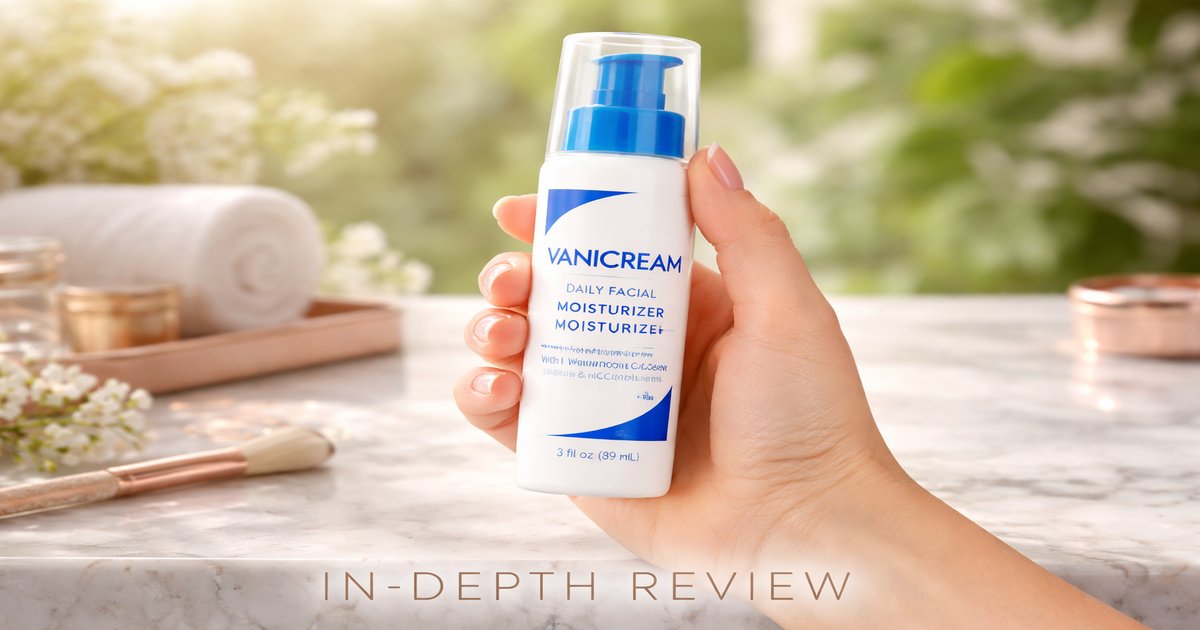
Absolutely, CeraVe has a range of facial moisturizers that are non-comedogenic and suitable for daily use.
Which product is better for eczema?
CeraVe is generally recommended for eczema because of its ceramide content that helps restore the skin barrier.